Jordan Hogenson · A working list of the photographers, painters, filmmakers, and writers who put the parks on paper, canvas, and film, grouped by craft.
Yosemite was not always a park. For a stretch of the 1800s it was just a valley, spectacular but ungoverned, and one of the reasons it eventually became something Congress felt obligated to protect was a magazine. In August 1890, John Muir published "The Treasures of the Yosemite" in The Century Magazine, arguing for federal protection of the high country ringing the valley, and Congress created Yosemite National Park that October, weeks after the piece ran. Muir is remembered now as the "Father of the National Parks": naturalist, writer, relentless advocate for wilderness preservation. Yosemite exists, at least in part, because his sentences got into the right heads at the right time.
That's the case for taking the artists seriously, not just the parks. A photograph does the work of getting a person to a place they'll never physically stand. A film compresses a century of history into the two hours a person will actually sit still for. A painting slows a landscape down enough that a viewer notices something in it they'd otherwise walk past. None of that happens by accident, and none of it happens without a name attached to it, so here's a working list of some of the people responsible, grouped by what they made.
Illustrators
Brian Edward Miller works in the space between fantasy and realism. His illustrations put real mountains and real waterfalls on the page but light them like something out of a story, which is either a trick of the eye or the whole point. His portfolio is up at the OrlinCulture Shop, and he's one entry in a long line of painters who've spent careers deciding how a landscape ought to be lit, going back past the Hudson River School to a Chinese scroll painter working three centuries before any of these parks had a name.
- Brian Edward Miller (Present): a highly talented illustrator whose work draws inspiration from the natural world, combining fantasy and realism; towering mountains and cascading waterfalls brought to life in his illustrations. Portfolio: OrlinCulture Shop.
- Claire Hummel (Present)
- James Gurney (Present)
- Jona Dinges (Present)
- Mark Maggiori (Present)
- Robert Bateman (Present)
- Roland Lee (Present)
- Thomas Kinkade (1958–2012)
- Thomas Moran (1837–1926)
- Winslow Homer (1836–1910)
- Andreas Achenbach (1815–1910)
- Albert Bierstadt (1830–1902)
- Frederic Edwin Church (1826–1900)
- Ivan Shishkin (1832–1898)
- Asher Brown Durand (1796–1886)
- Caspar David Friedrich (1774–1840)
- Wang Hui (1632–1717)
- Loish, a.k.a. Lois van Baarle (Present)
See the Parks These Artists Painted
Every park behind this list has a free trip planner ready to turn a couple of dates into a real itinerary.
Open the Trip PlannerPhotographers
Clyde Butcher shoots the Everglades in large-format black and white, which sounds like a limitation until you see what it does: strip the color out of a swamp and what's left is structure. Cypress knees, still water, the fall of light through a canopy. And an argument, made without a single word, for why the place is worth keeping intact. He's still working, still making that argument.
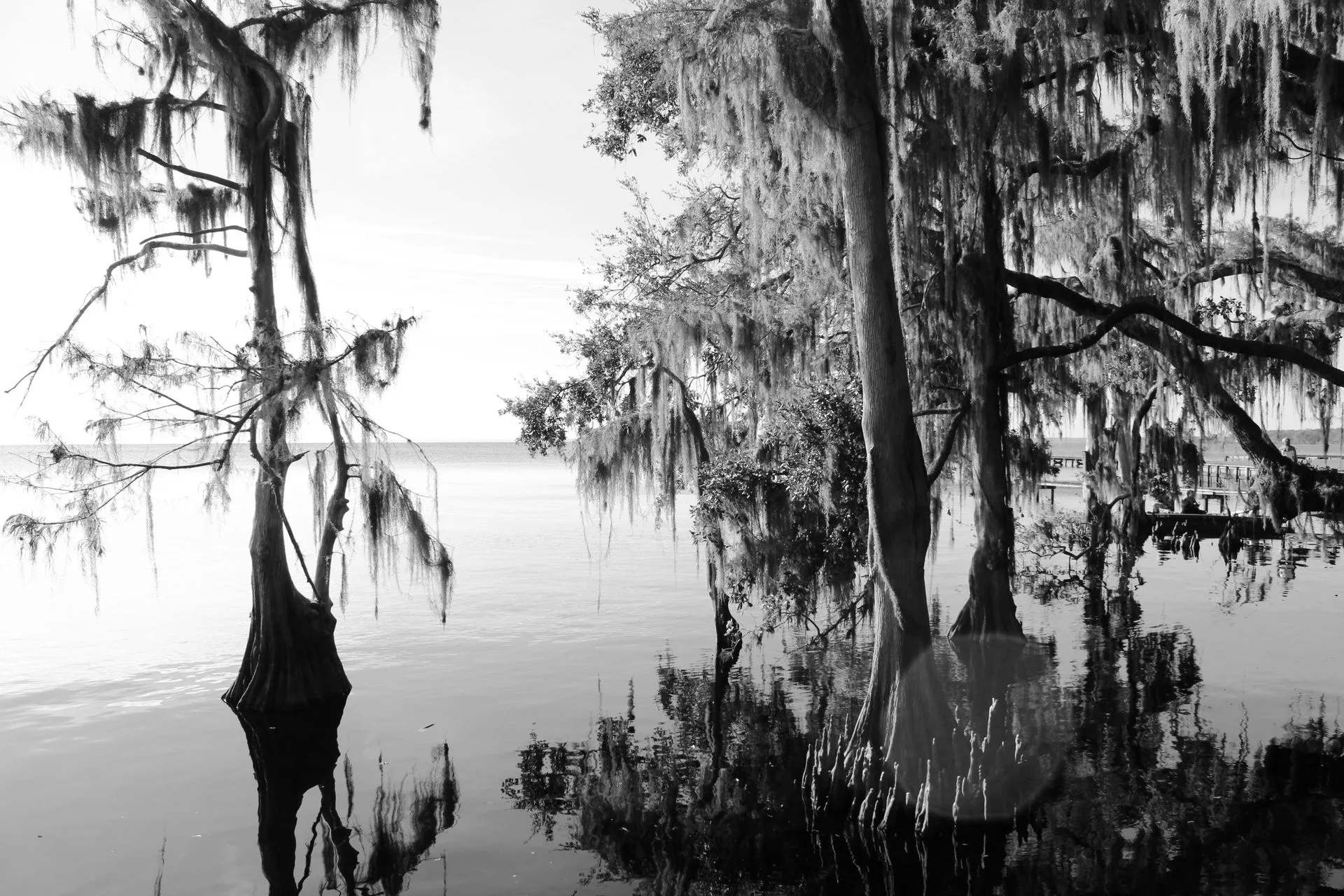
- Clyde Butcher (1942–present): known for large-format black-and-white photographs of the Florida Everglades and other natural landscapes, emphasizing the importance of preserving natural resources. Website: Clyde Butcher.
- David Muench (1936–present)
- Frans Lanting (1951–present)
- Jack Dykinga (1943–present)
- Jimmy Chin (1973–present)
- Michael Nichols (1952–present)
- Tom Mangelsen (1945–present)
- Galen Rowell (1940–2002)
- Eliot Porter (1901–1990)
- Ansel Adams (1902–1984)
- Edward Weston (1886–1958)
- William Henry Jackson (1843–1942)
Film
Ken Burns called his documentary series "The National Parks: America's Best Idea," which is a large claim for a title to make, and then the series spends its runtime making the case for it: not with a single hero but with the whole tangled history of who fought for these places and who fought against them. It's the closest thing on this list to required viewing, and it's not the only way people have chosen to tell this story on screen.
- Ken Burns (1953–present): renowned documentary filmmaker; his series "The National Parks: America's Best Idea" explores the history and significance of national parks. Resource: Ken Burns' Official Website.
- Ron Fricke (1949–present)
- Jeff Orlowski (1984–present)
- Will Pattiz & Jim Pattiz
- Filipe DeAndrade
- Erik Storm
- Gavin Heffernan
- Devin Graham (DevinSuperTramp) (1983–present)
- Dave and Deb (The Planet D)
- Brian Skerry
- Jason Fitzpatrick
Track the Parks You Visit
A free account keeps a record of every park you've stood in and every trip you're planning next.
Create a Free AccountWriters | Poets
Muir already opened this piece, so credit where it's due: no one on this list did more with less equipment than a writer with a pen and a place he refused to shut up about. The shelf beneath him runs wide: Wallace Stegner's histories, Mary Oliver's attention to small things, Edward Abbey's refusal to be polite about any of it. But Muir is still the one whose sentences moved a boundary line on a map.
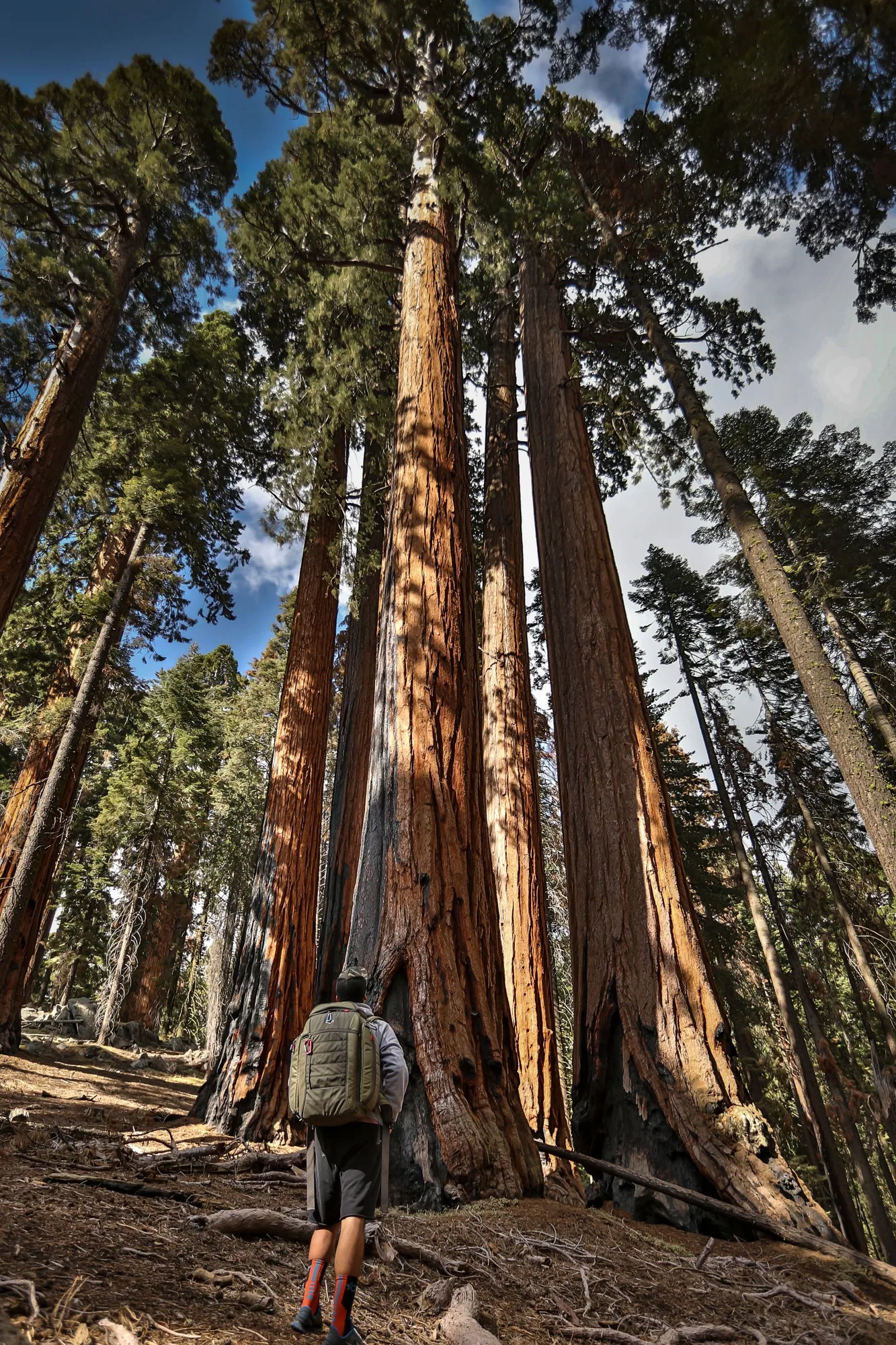
- John Muir (1838–1914): the "Father of the National Parks," naturalist, writer, and advocate for wilderness preservation. His 1890 magazine essays helped push Congress to establish Yosemite and Sequoia within weeks of each other; his later book "My First Summer in the Sierra" (1911) revisited the same mountains from his 1869 journals. Resource: John Muir's Works.
- Wallace Stegner (1909–1993)
- Terry Tempest Williams (1955–present)
- Gary Snyder (1930–present)
- Mary Oliver (1935–2019)
- Wendell Berry (1934–present)
- Joy Harjo (1951–present)
- Edward Abbey (1927–1989)
- Robert Macfarlane (1976–present)
- Rick Bass (1958–present)
None of this is the parks themselves. It's people who looked at the parks and decided the rest of us needed to see what they saw: the magazine essay that moved a boundary line on a map in 1890, the black-and-white photograph that strips the color out of a swamp to show what's actually holding it together, the documentary that spends its whole runtime arguing for a title as big as "America's Best Idea." Go to the parks. But read the essay first, or watch the documentary, or find the photograph that made you want to go in the first place.
Biographical dates checked against standard reference sources for each artist. The Yosemite establishment history (Muir's 1890 Century Magazine essay and Congress's October 1890 act) was checked against the Sierra Club's John Muir archive and NPS.gov park history.