Yosemite peaks twice a year. Denali peaks once. Timing your trip to the season each park is actually built for.
There is no single best month for the national parks. Yosemite has two good seasons. Denali has exactly one, and it isn't the one you'd guess from a summer road-trip photo. The right time to go depends entirely on which park, and what you're going for: a waterfall at full volume, a hillside of aspens turning gold, or an elk bugling somewhere out in the dark. For a month-by-month look across all 64 parks, the National Parks Hub seasonal timing dashboard breaks down the full year, park by park; this piece is the narrower version, seven parks and the one season worth building a trip around.
Yosemite
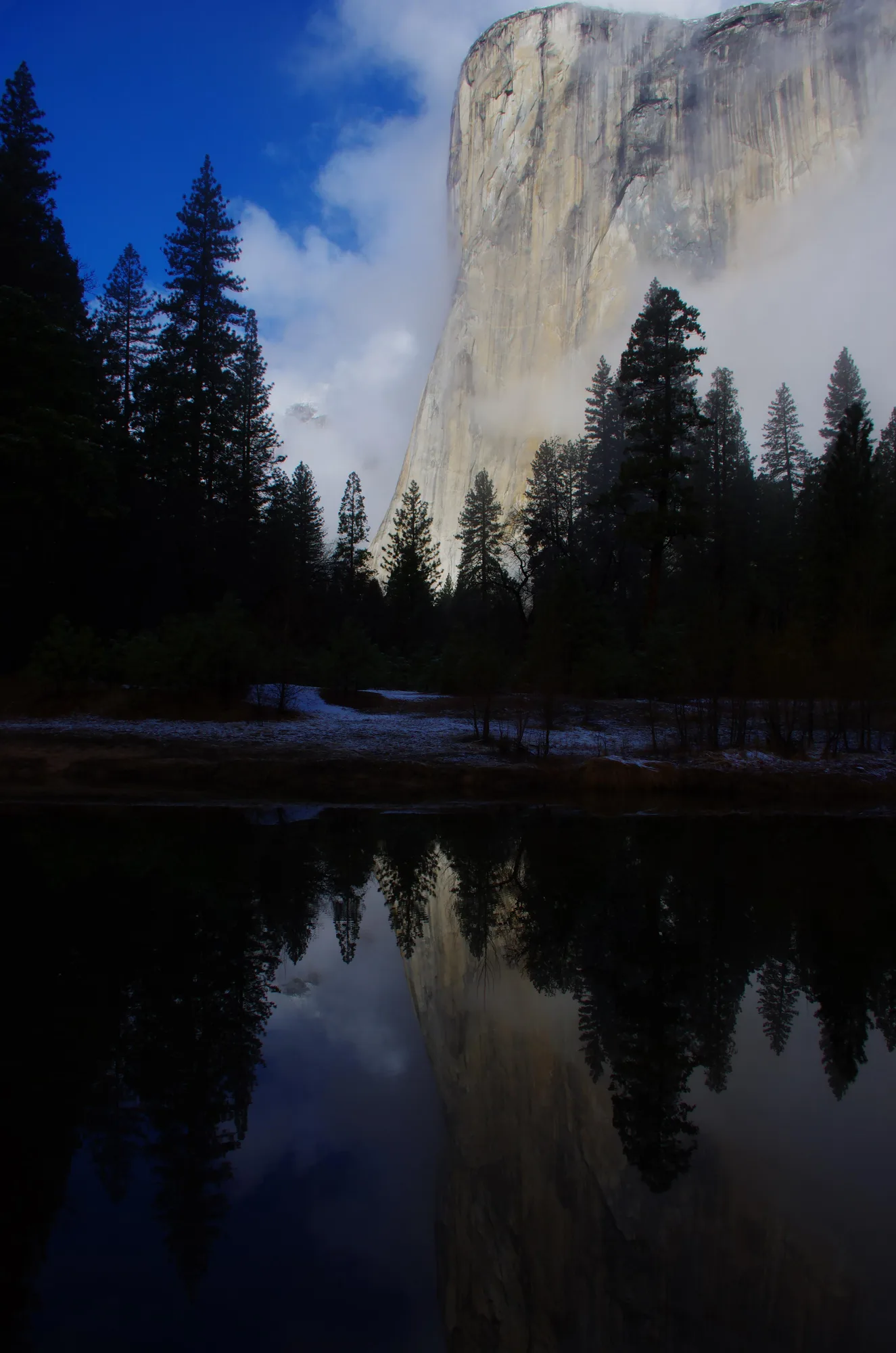
- Spring APRIL–MAY
- Fall SEPTEMBER–NOVEMBER
- Spring WATERFALLS RUNNING HARDEST · WILDFLOWERS AT FULL BLOOM
- Fall COOLER AIR · THINNER CROWDS · VALLEY IN FULL AUTUMN COLOR
Spring and fall pull in opposite directions here, and both work. Come for the waterfalls at full volume, or come back for the quiet and the color; either one is Yosemite at its best.
Acadia
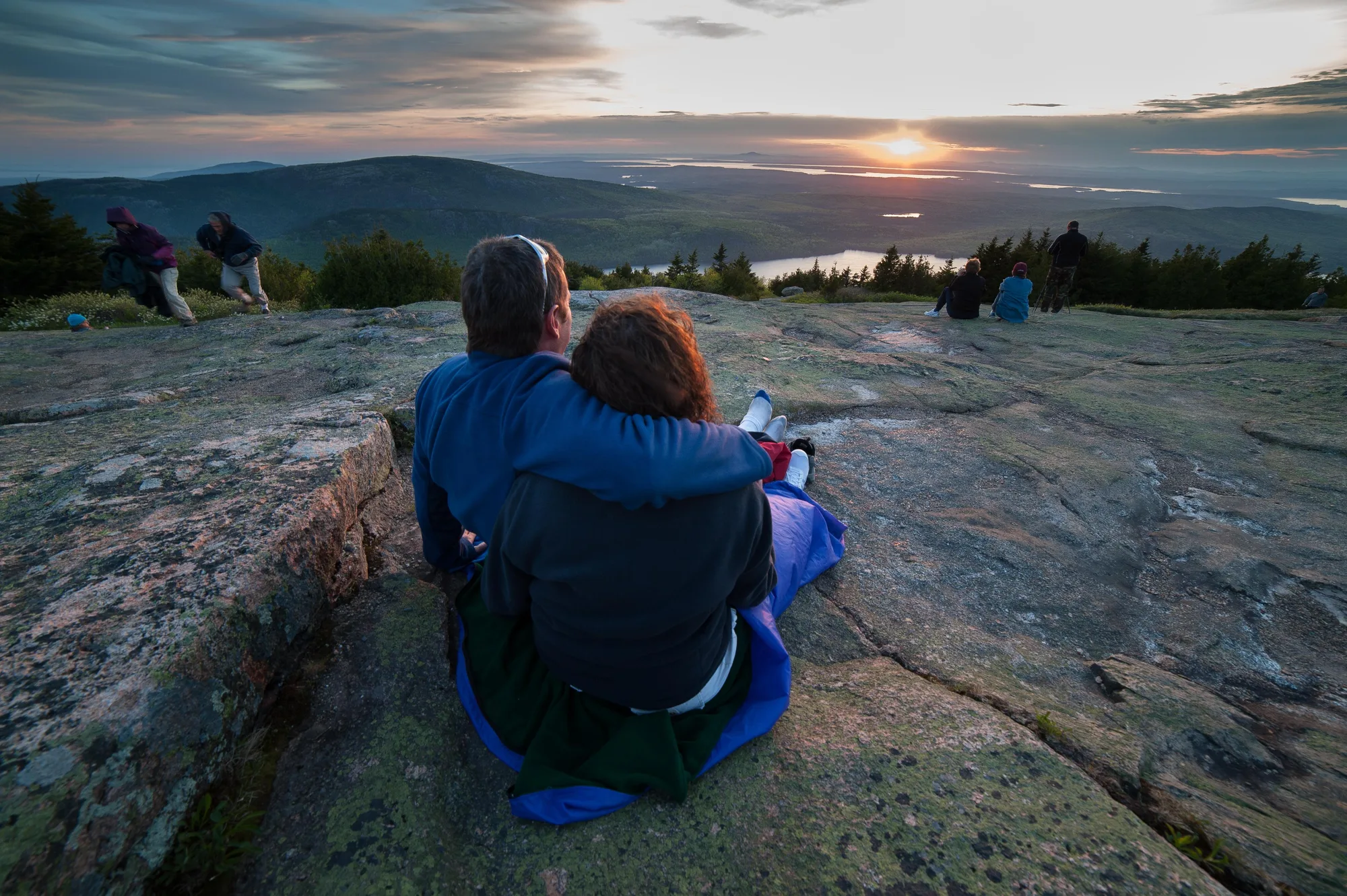
- Fall SEPTEMBER & OCTOBER
- Fall LEAVES TURNING · THINNER CROWDS · TEMPS DROP INTO HIKING WEATHER
Fall is when Acadia's coastline earns the trip: the leaves turn, the crowds thin out, and the temperature drops into hiking weather along the rugged shoreline and the trails above it.
Yellowstone
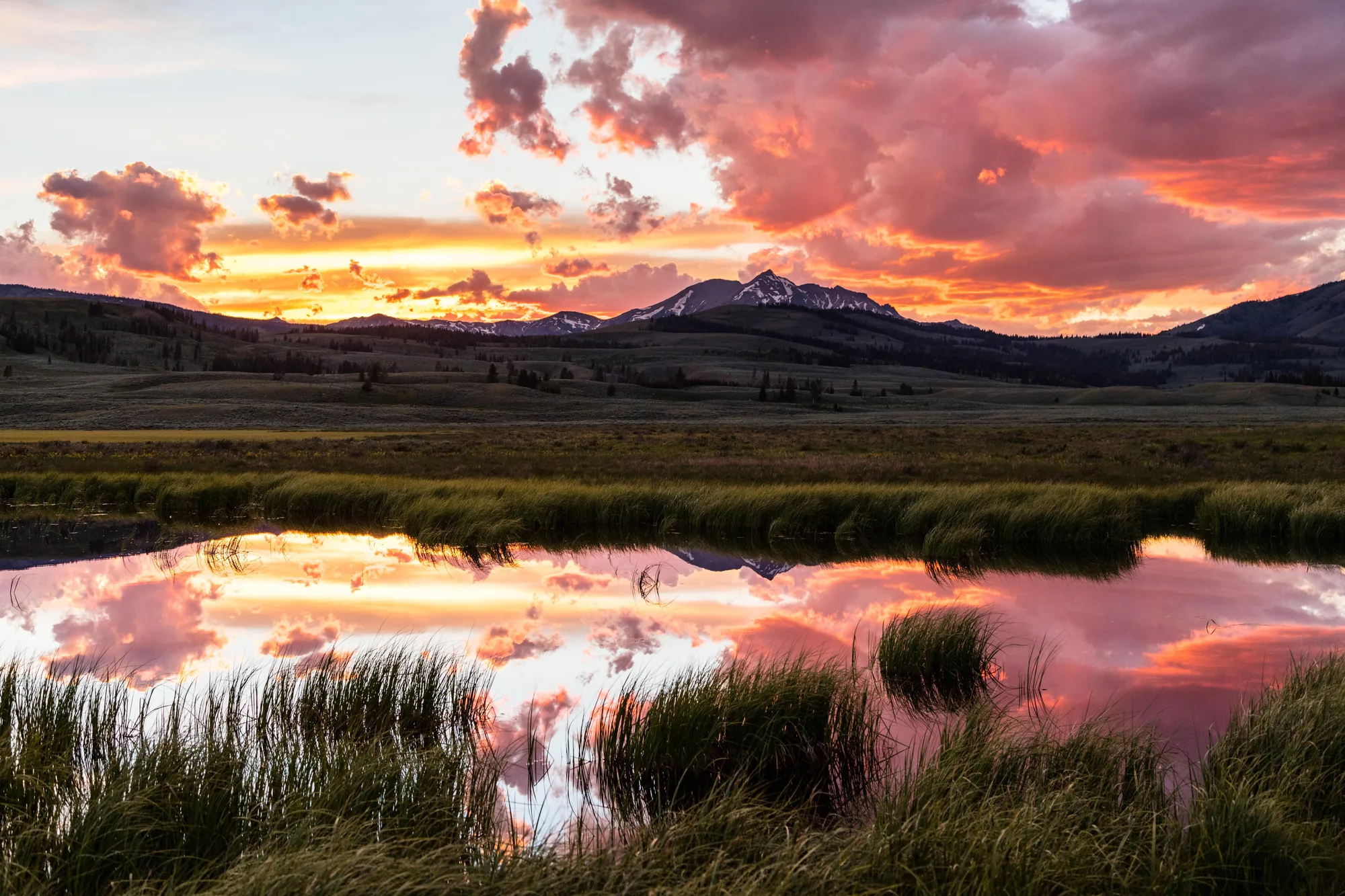
- Spring APRIL–MAY
- Fall SEPTEMBER–OCTOBER
- Spring WILDFLOWERS · WATERFALLS RUNNING HIGH
- Fall CHANGING COLORS · ELK BUGLING THROUGH THE VALLEYS
Shoulder season does the most work in Yellowstone. Spring and fall both bring mild weather, thinner crowds, and more wildlife activity than the summer crush.
Turn This List Into a Real Plan
Pick your park, your dates, and your crew: the AI trip planner builds the day-by-day, timed to the season that actually suits you.
Open the Trip PlannerZion
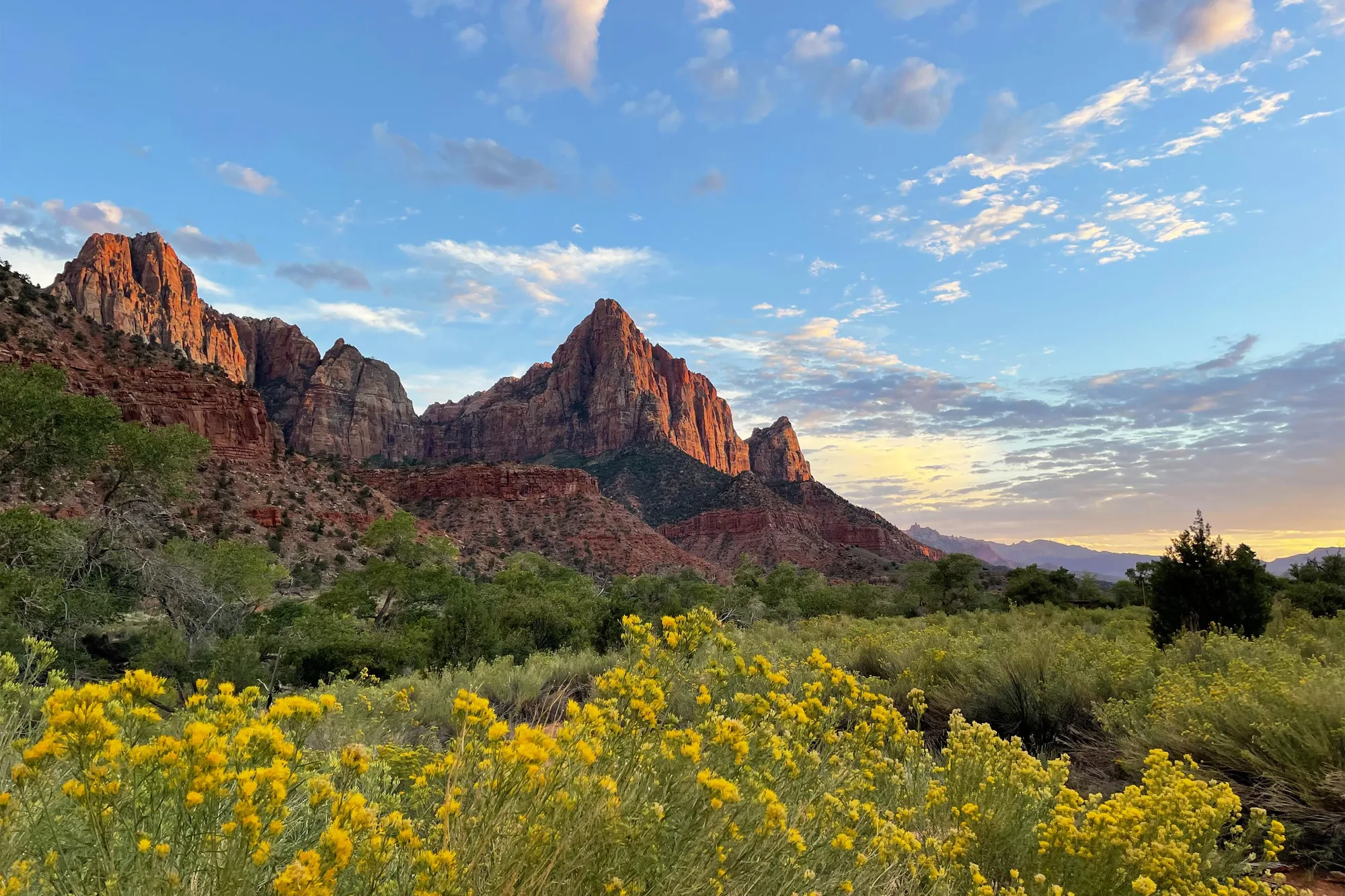
- Spring MARCH–MAY
- Fall SEPTEMBER–NOVEMBER
- Spring RED ROCK AGAINST FRESH GREENERY & WILDFLOWERS
- Fall COOLER TEMPS · THINNER CROWDS · CANYON CHANGING COLOR
Spring sets red rock against fresh greenery and wildflowers; the contrast is the whole appeal. Fall cools things down and thins the crowds while the canyon changes color on its own schedule.
Great Smoky Mountains
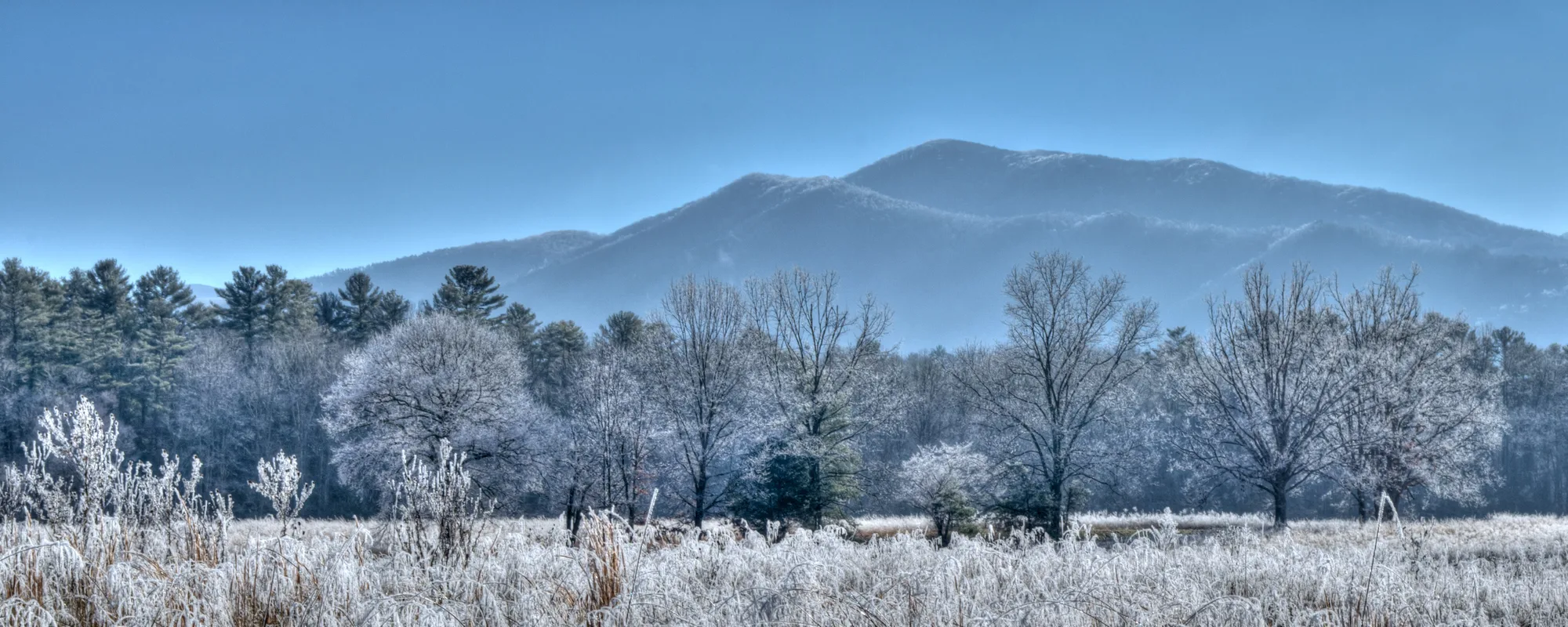
- Fall OCTOBER–NOVEMBER
- Fall AUTUMN COLOR ACROSS THE RIDGELINES · BLACK BEARS MORE ACTIVE
Go in fall for the color and for the bears. Autumn color across the ridgelines is the draw, and black bears are more active this time of year, fattening up ahead of winter.
Grand Canyon
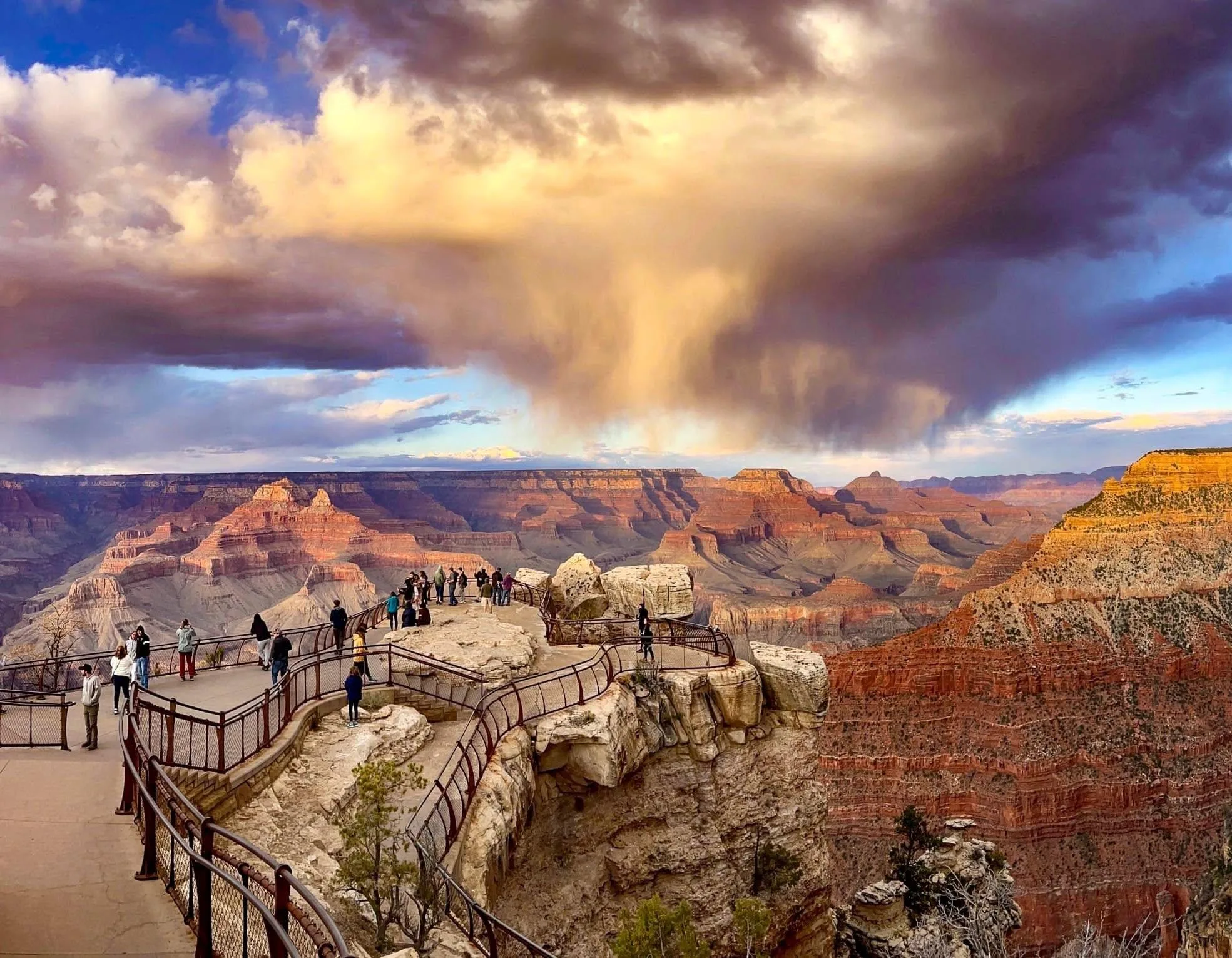
- Spring MARCH–MAY
- Fall SEPTEMBER–NOVEMBER
- Spring WILDFLOWERS OUT · MILDER TEMPERATURES
- Fall COLOR CHANGE · COOLER AIR · THINNER CROWDS
Spring and fall both split the difference between summer heat and winter closures: milder temperatures, thinner crowds. Spring brings the wildflowers out; fall brings the color change and cooler air.
Rocky Mountain
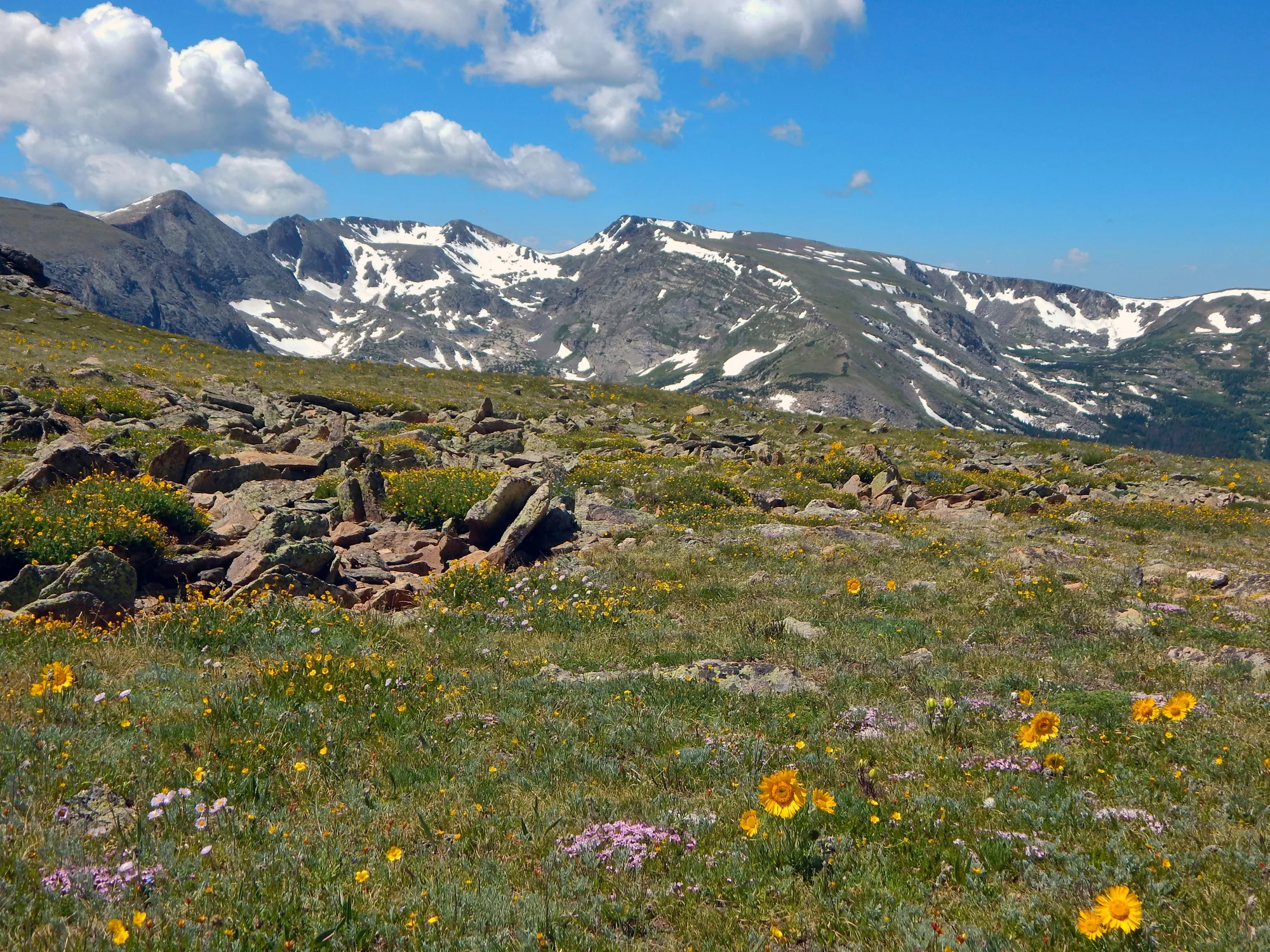
- Fall SEPTEMBER & OCTOBER
- Fall ASPENS TURNING GOLD & YELLOW · ELK IN RUT · SUMMER CROWDS GONE
Fall is when the aspens turn brilliant gold and yellow, elk go into rut, and the crowds that fill the park all summer mostly clear out.
October and November keep coming up for a reason. Across most of these parks, the shoulder season means fewer people, cooler weather, and a better shot at wildlife (elk, moose, antelope, and bison are all more visible during rutting season), along with lower prices on lodging and activities.
Not every park runs on the spring/fall rule. Denali, in Alaska, is best in summer, when the weather actually cooperates and the wildlife is more active. The Everglades work the opposite way: go in the cooler months and skip the hot, humid summer entirely.
Visiting during peak season takes some planning: book lodging and trail permits early, hit the popular spots during off-hours (early morning or midweek), and build in time for the lesser-known corners of the park. Going during the low season has its own reward: the Grand Canyon, in particular, can be hiked in winter, when visitor traffic drops to its lowest point of the year and the trails are close to empty.
Yosemite still gets two real shots at its best self every year, spring and fall both. Denali gets one, and it's not really a preference, it's a lock: the park's single road, the only way into the interior, runs full bus service from roughly May 20 to mid-September, and outside that window there isn't much of a park left to reach. Every park on this list, and the other 56 not covered here, is working some version of that same math, whether the limit is a road, a bloom, or a bear packing on weight before winter. The full month-by-month breakdown for all 64 parks has it, road openings included.
Seasonal timing and road-opening windows checked against NPS.gov park-specific pages, including Denali's published shoulder-season and road-status guidance.