Half Dome tops out under 9,000 feet. Getting there is a 16-mile round trip that ends with a cable-assisted scramble up bare granite. Mount Rainier stands almost twice as tall, at 14,411 feet, and the route to its summit covers barely half that distance: about 9 miles round trip, most of it ice and rock. Height doesn't predict difficulty. Distance doesn't either, not on its own. Every peak on this list proves that in a slightly different way.
That comparison holds for every climb below. None of these summits are ranked by height alone, and none of them are easy just because the map shows a short trail. What follows is a working list of seven parks and their hardest summits, each one measured the same way: real elevation, real mileage, and a plain read on what the climb actually asks of you. Every park links to its full National Parks Hub park guide, where the trip planner can help turn an idea into an actual plan.
Denali National Park
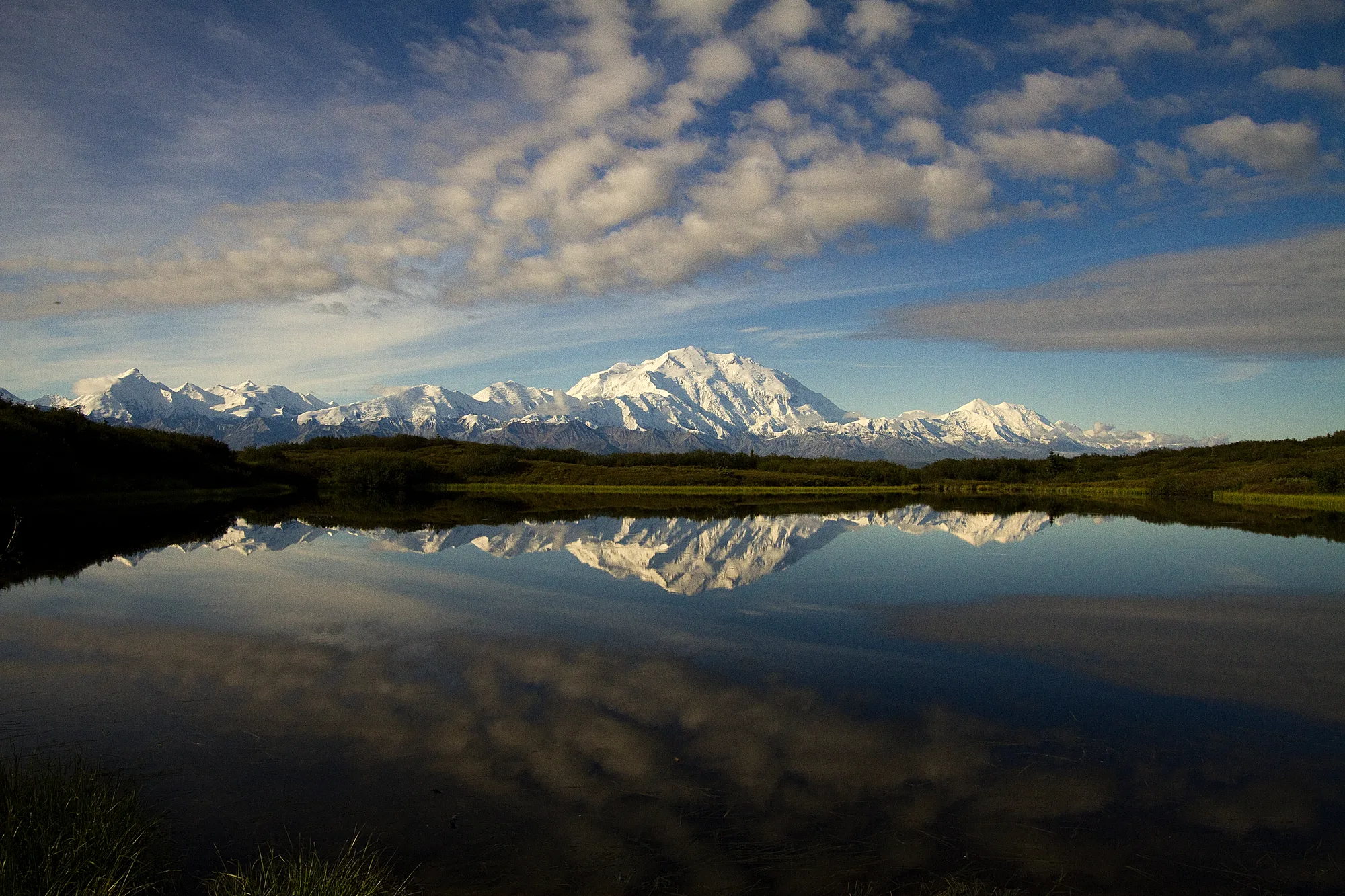
- Mount Denali 20,310 FT (6,190 M) · ~18 MI (29 KM)
- Mount Foraker 17,400 FT (5,304 M) · ~10 MI (16 KM)
- Mount Denali HIGHEST PEAK IN NORTH AMERICA
- Mount Foraker SHORTER ROUTE, HEAVY TECHNICAL CLIMBING
Mount Denali is the one everyone's heard of: 20,310 feet, the highest peak in North America, an ascent that spans roughly 18 miles. Less famous, and arguably harder to plan for, is Mount Foraker, the park's second-highest peak at 17,400 feet. Foraker's route is shorter on paper, around 10 miles, but it comes loaded with technical climbing that makes the mileage a poor measure of the effort.
Olympic National Park
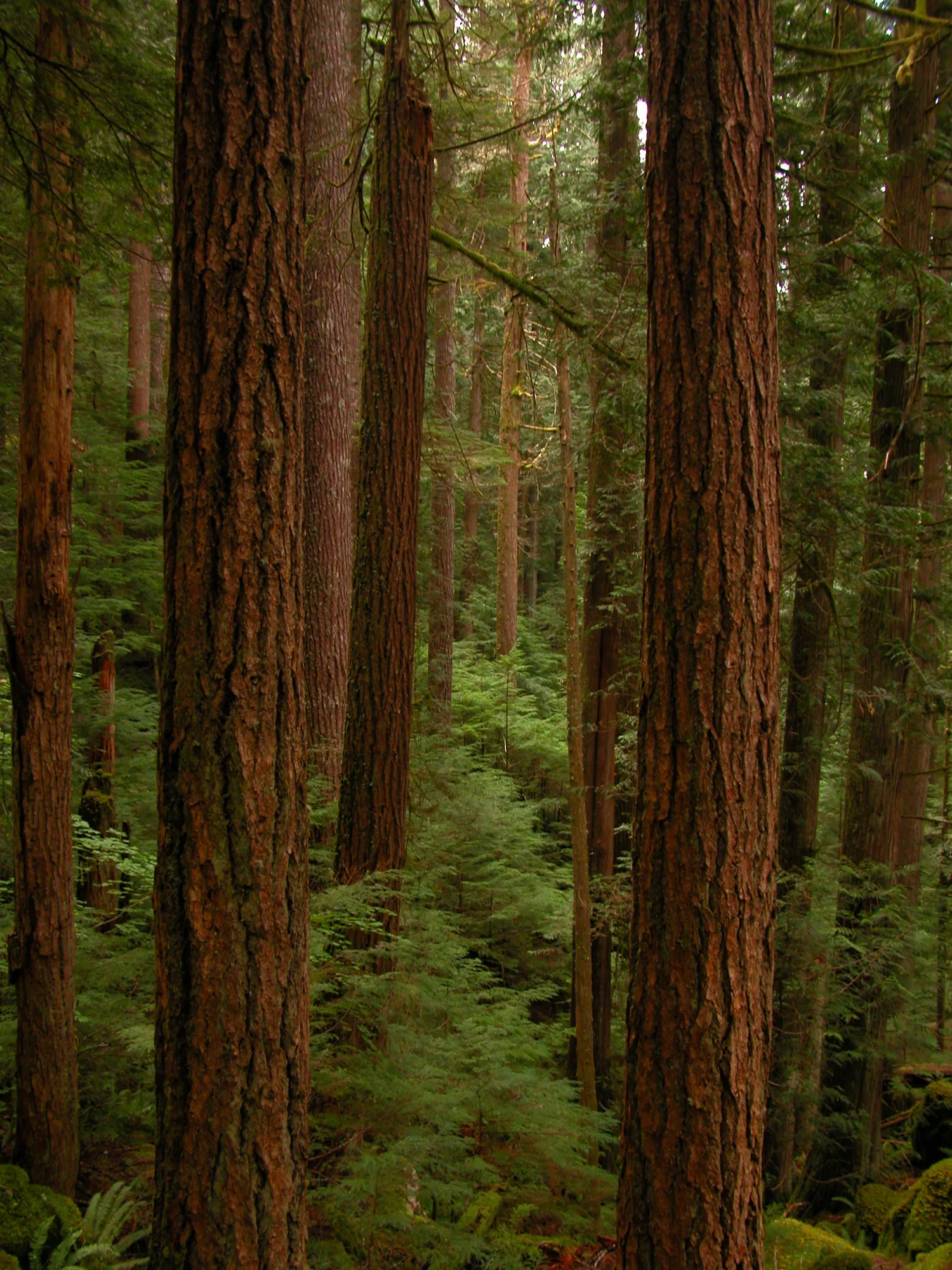
- Mount Olympus 7,980 FT (2,432 M) · ~18 MI (29 KM)
- The Terrain DENSE FOREST + GLACIER-CARVED VALLEYS
Mount Olympus reaches 7,980 feet. Getting there takes about 18 miles, the same distance as the ascent up Denali on a mountain twelve thousand feet shorter, through dense forest and glacier-carved valleys that don't let you forget you're still a long way from the summit.
Grand Teton National Park
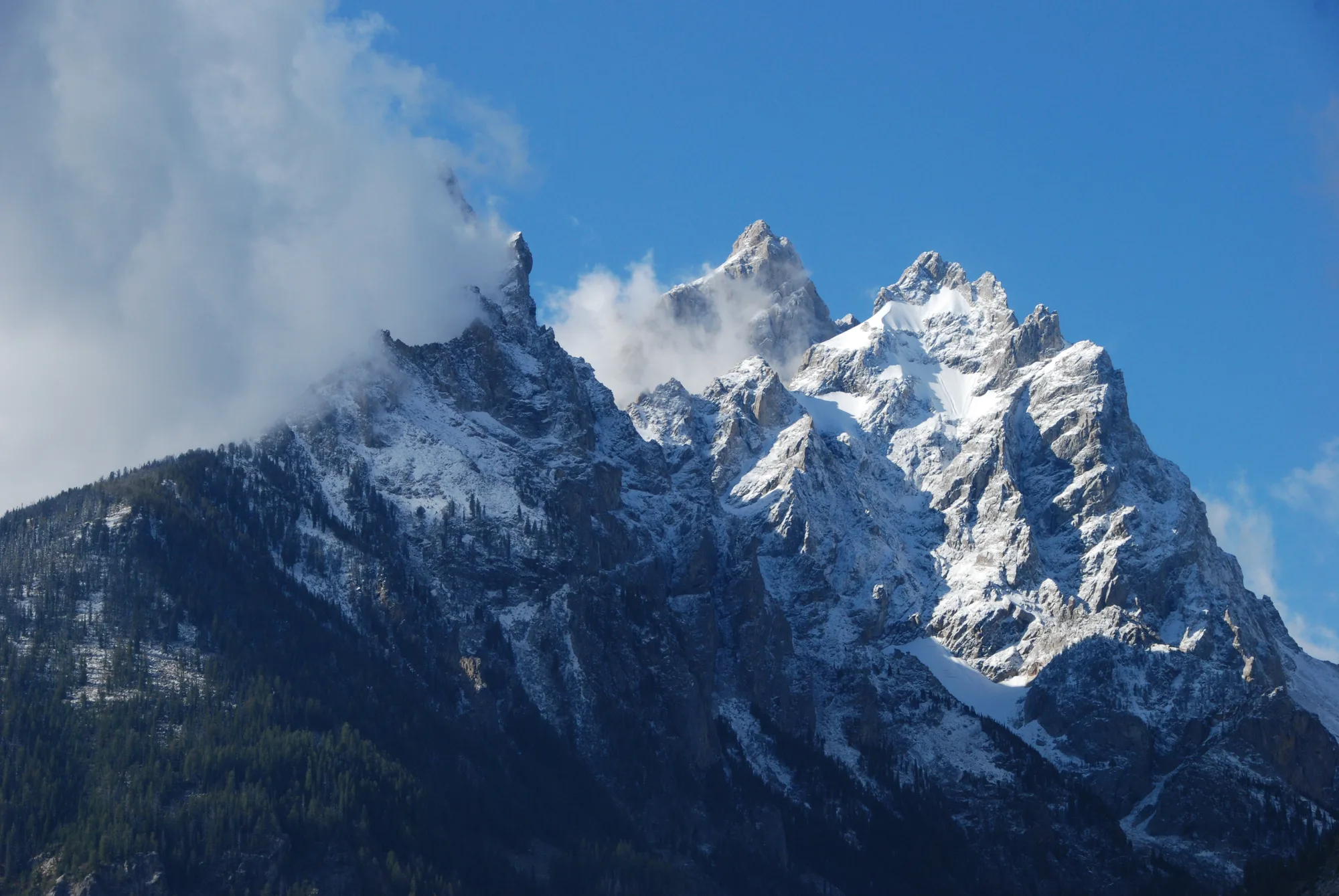
- The Grand Teton 13,770 FT (4,198 M) · ~14 MI (23 KM)
- The Terrain DIFFICULT ROUTES, START TO FINISH
The Grand Teton stands 13,770 feet. Summiting is a climb of about 14 miles along routes that stay difficult the entire way, not just at the top.
Turn This List Into a Real Plan
Pick your park, your dates, and your crew: the AI trip planner builds the day-by-day, with real drive times and real trail conditions.
Open the Trip PlannerRocky Mountain National Park
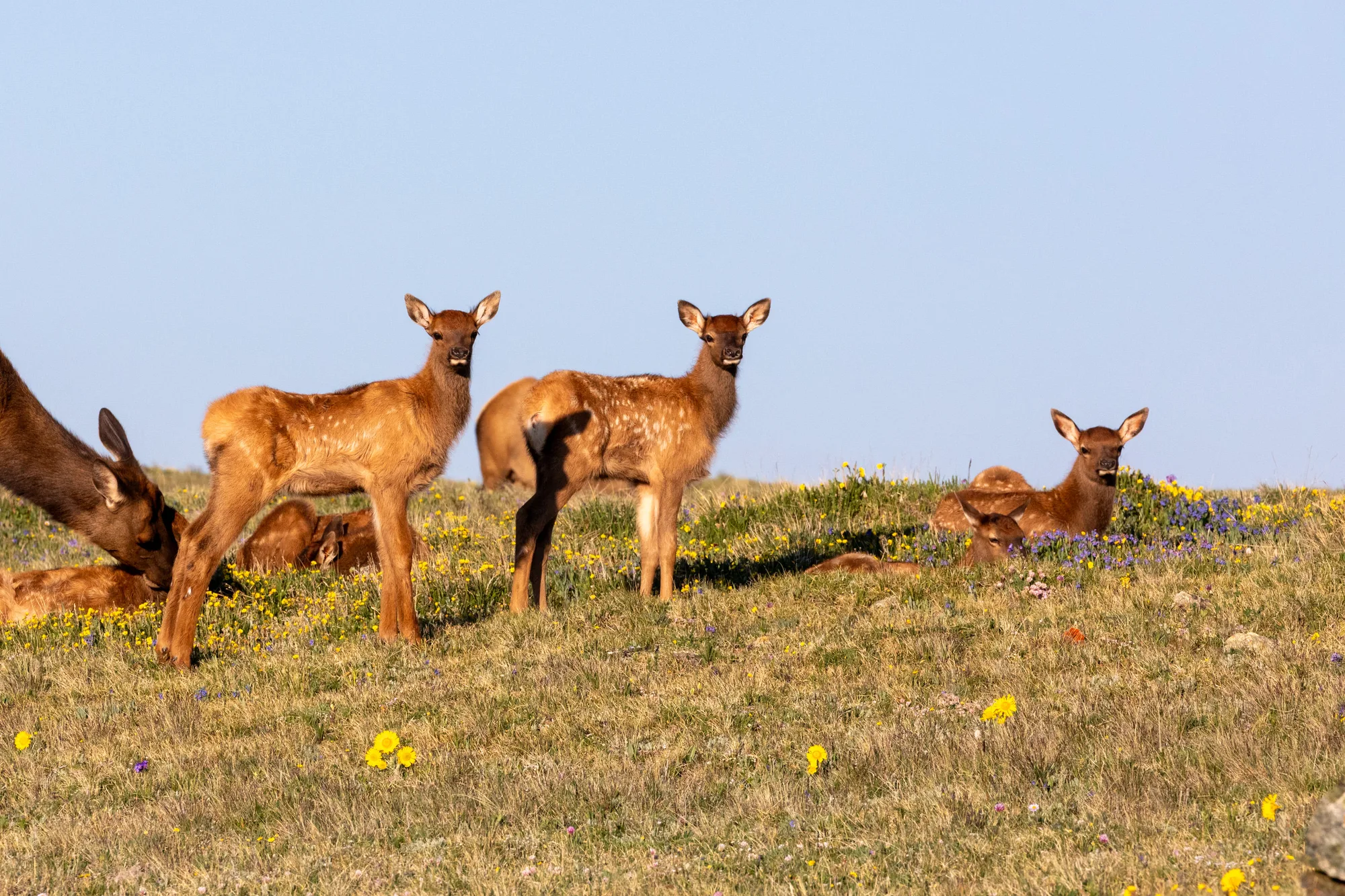
- Longs Peak 14,259 FT (4,346 M) · ~15 MI (24 KM)
- The Terrain EXPOSED ROCK SCRAMBLES
Longs Peak, the highest point in the park at 14,259 feet, demands a strenuous route of roughly 15 miles, with exposed rock scrambles that turn a long hike into something closer to a climb.
Glacier National Park
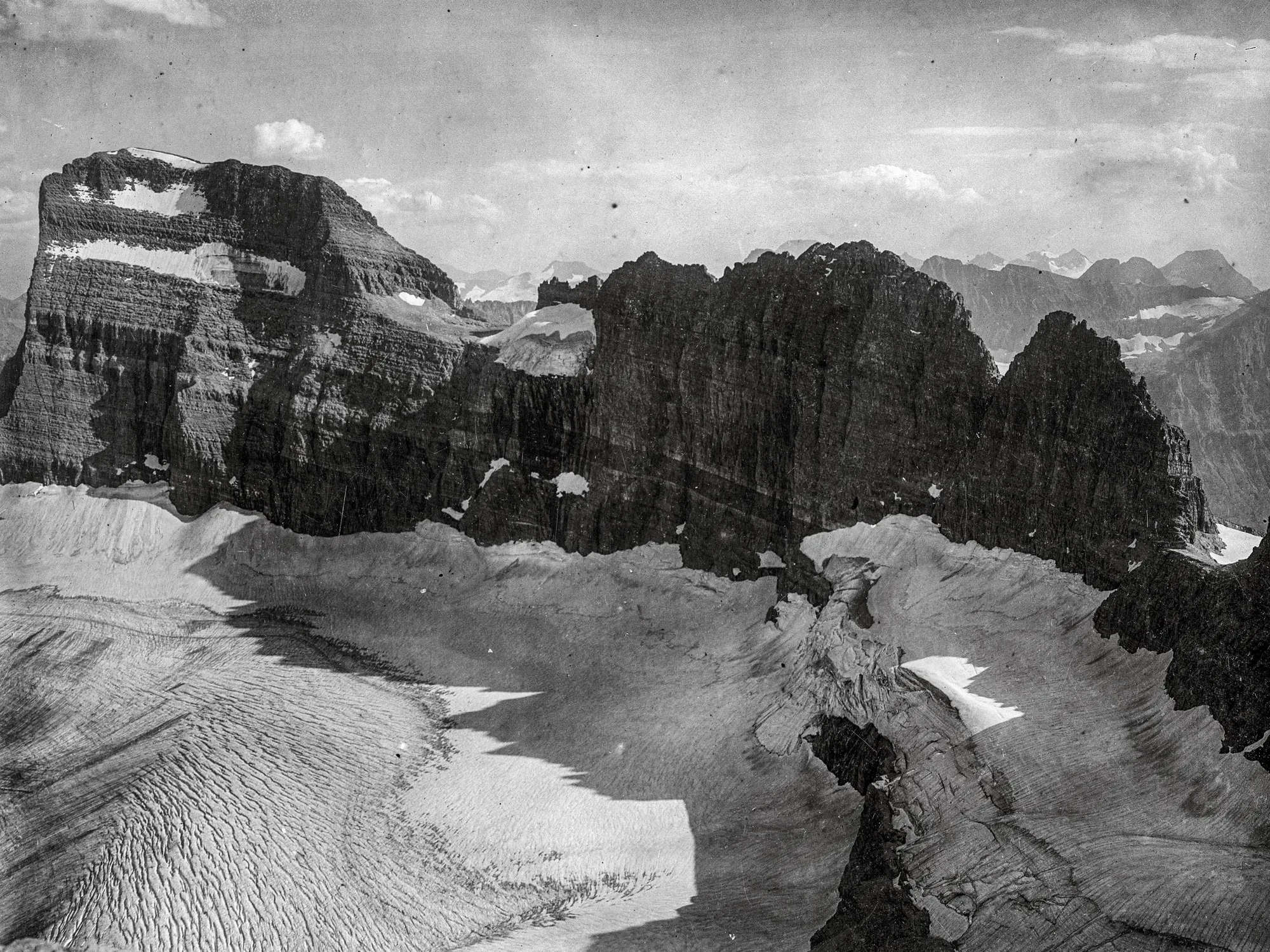
- Mount Cleveland 10,466 FT (3,190 M) · ~15 MI (24 KM)
- The Terrain VISTAS THAT MAKE THE DISTANCE WORTH ARGUING FOR
Mount Cleveland is Glacier's highest peak, at 10,466 feet. The route runs about 15 miles, with vistas that make the distance worth arguing for.
Mount Rainier National Park
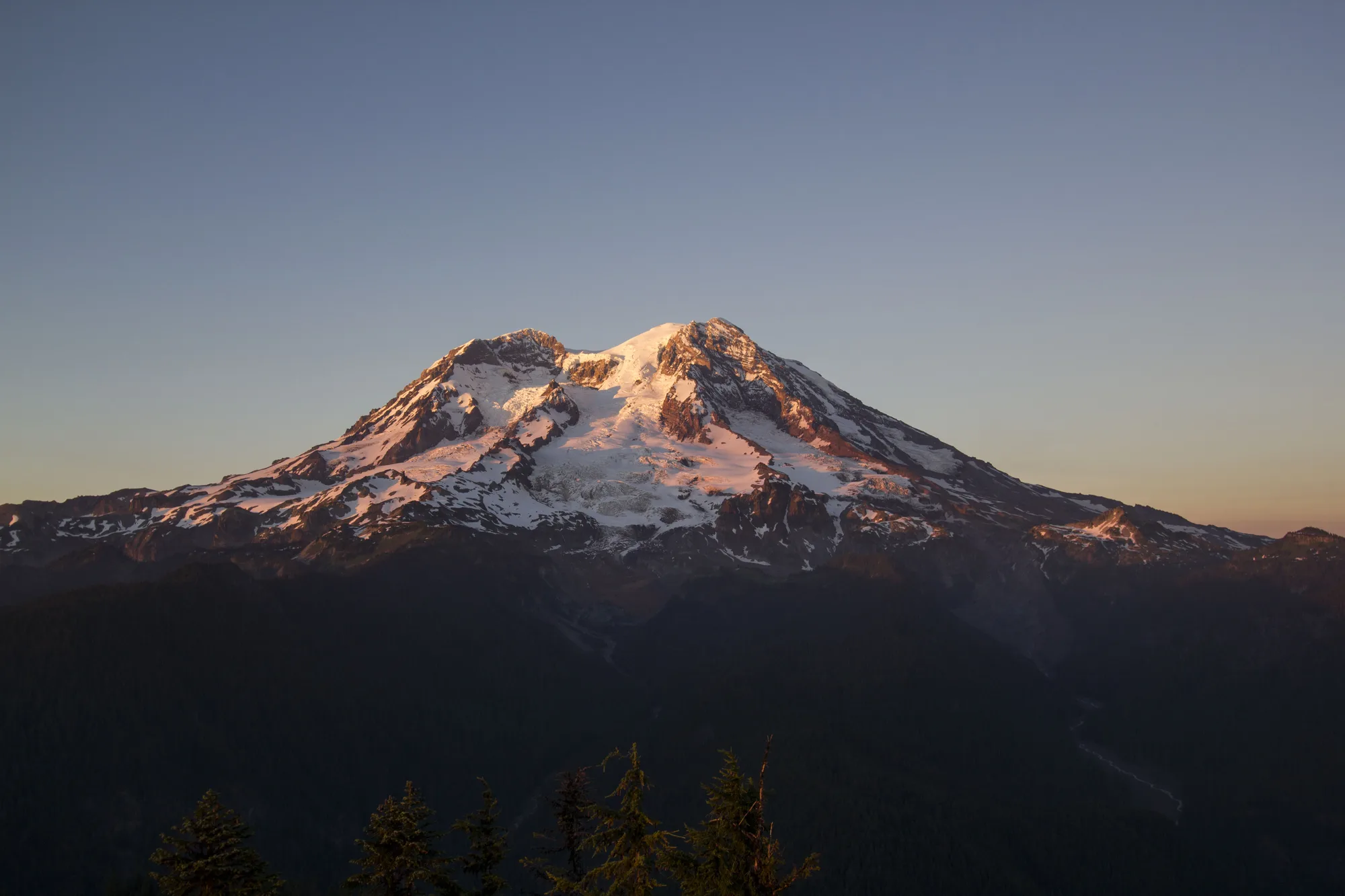
- Mount Rainier 14,411 FT (4,392 M) · ~9 MI (14 KM)
- The Terrain ICY GLACIERS + ROCKY TERRAIN
Mount Rainier, the park's namesake stratovolcano, rises to 14,411 feet. The climb covers roughly 9 miles. It's short by the standards of this list, and made up for entirely by icy glaciers and rocky terrain that ask more per mile than almost anything else here.
Track The Parks You Visit
A free account tracks every park you visit, keeps the climbing journal, and saves every plan you build.
Create a Free AccountYosemite National Park
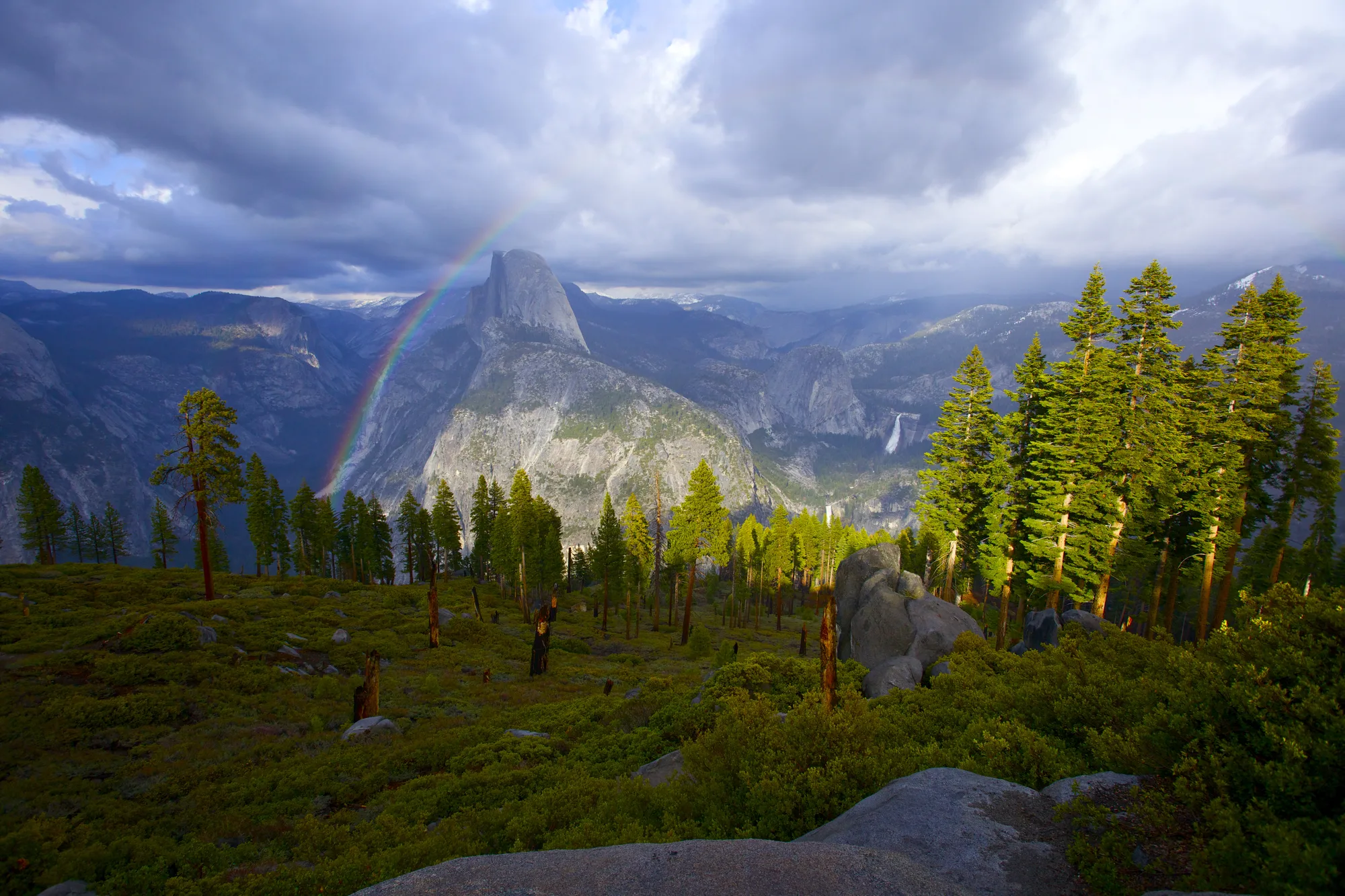
- Half Dome 8,842 FT (2,695 M) · ~16 MI (26 KM) RT
- The Terrain CABLE ROUTE UP THE FINAL PITCH
Half Dome, the granite formation that shows up on more postcards than any other entry on this list, sits at 8,842 feet. The trail runs about 16 miles round trip, including the cable route up the final pitch. That's the part of the hike most people are actually thinking about when they say they're going to climb Half Dome.
No Formula, Just Preparation
Eight peaks, seven parks, and no single formula connecting elevation to effort: Mount Foraker's technical climbing outweighs Denali's extra vertical mile, Mount Rainier packs more difficulty into 9 miles than Mount Olympus manages in 18, and the last pitch up Half Dome comes down to how much grip is left in two hands on a steel cable. What they share is what's waiting past the summit register: alpine meadows and views that only exist from up there. None of it comes free, and every one of these climbs is worth turning back on if the weather or the terrain says so.
Elevations and route mileages checked against NPS.gov park pages and USGS.gov topographic data for each peak.