Jordan Hogenson · Somebody in a Utah tourism office looked at a map in 2013, noticed the state already had five national parks just sitting there, and slapped a name on it. Six other states are sitting on the exact same trick and, as far as we can tell, nobody's told them yet. So we're telling you.
Somewhere past Green River on I-70, the billboards stop selling gas and start selling a road trip. THE MIGHTY 5, one says, five little icons lined up underneath like a boy band lineup. It looks official, like something the National Park Service itself put up. It isn't. It's tourism-board marketing, and it's good marketing, which is either impressive or mildly annoying depending on how cynical you're feeling that morning.
The Utah Office of Tourism built the thing in 2013: three million dollars, TV spots running in six western cities, all five parks name-checked in the same 30 seconds. Zion, Bryce, Capitol Reef, Canyonlands, Arches. Whoever wrote that ad earned their paycheck, because a decade later people are still driving it.
And Utah's own tourism board still argues, in public, about whether to keep the campaign running or finally retire it. That's the tell. Nobody debates killing an idea that stopped working. This one's still working ten years in, which is either great marketing or proof that a good road trip sells itself once somebody bothers to name it.
Here's the part the billboard conveniently leaves out: Utah didn't earn five national parks because of the ad. It had five national parks first, sitting there for free, and somebody in an office noticed before anyone else did. Six more states are sitting on that exact same math right now, no billboard, no jingle, no catchy nickname, and clearly nobody over there has gotten around to it. California's got nine. Alaska's got eight. Nine! Eight! And not one road sign bragging about either. Frankly, rude.
The parks were already there. Somebody just forgot to mention it.
So here's what we did instead of waiting around for Colorado's tourism board to catch up: we built a badge for all seven circuits right into the app's passport, sitting next to thirty other completely made-up, wonderfully pointless, weirdly satisfying achievements you can already collect. Nobody's checking your GPS. Nobody's asking for a receipt. You tap "I did this" and it's yours, same deal it's always been. Will a hexagon-shaped badge change your life? No. Will it feel unreasonably good to finally fill in the last one on the California Nine after three summers of half-trying? Also yes. We don't make the rules of human psychology. We just built the app that takes advantage of them. More on exactly how that works at the end. First, the circuits themselves, worth chasing whether or not you ever open the app at all.
What makes these seven worth lining up side by side is how little they agree with each other. Utah's five are red rock and slot canyon carved by water that mostly isn't there anymore, so you're basically touring a very slow-motion crime scene. Alaska's eight are glacier, tundra, and roads that just quit, on purpose, because nobody was rude enough to pave through a place that big. Put them next to each other and you stop looking at a checklist and start looking at what a genuinely enormous, geologically show-off country actually looks like when you make it hold still for a photo.
Utah's Mighty Five
Zion, Bryce Canyon, Capitol Reef, Canyonlands, Arches. Five hexagons, one state, and a permit lottery you will absolutely refresh your phone for.
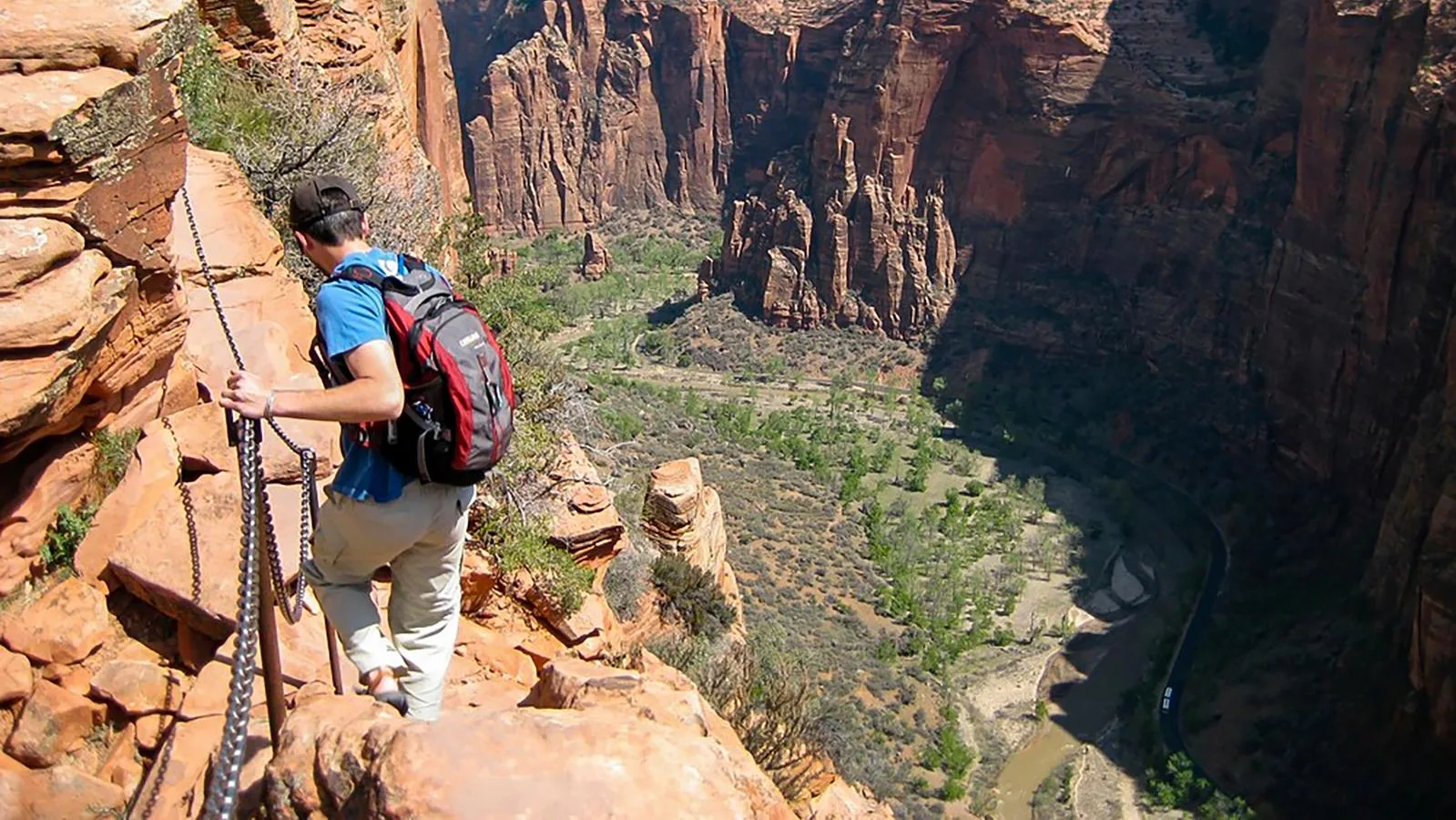
These five sit close enough together that people drive all five on one trip, though "close enough" is doing some heavy lifting once you're the one actually driving. Block out a week or more, or you'll spend it doing the thing everybody swears they won't do and then does anyway: four minutes at an overlook because somebody's hungry and somebody else needs a bathroom. Zion's Angels Landing is the one most people already know about before they arrive: a half-mile of chain-assisted scrambling with drop-offs of up to 1,000 feet on either side, and a permit lottery that's been required since 2022, which means the hardest part of this hike now happens on your phone weeks before you ever put on boots. Win the lottery, make the climb, and the Mighty Five badge checks for the actual permit, not just a summit selfie. We're not letting anyone fake their way onto this one.
Arches has documented over 2,000 of them by the park's own count, some falling, new ones forming, which means the park is quietly redecorating and never bothers to tell anyone. Canyonlands splits into three districts with no road connecting them, the park's polite way of saying you're coming back. Bryce isn't a canyon at all, geologically. It's a series of amphitheaters cut into a plateau edge, so if you've been calling it Bryce Canyon at parties, you've been a little bit wrong this whole time, and that's between you and Bryce. Capitol Reef is the quietest of the five, the one every rushed itinerary cuts first, and also exactly the one you'll regret cutting.
Plan a Multi-Park Circuit
The A.I. Trip Planner will string together any of these seven states into one route, sized to the days you actually have. Pick a circuit, tell it your dates, and let it argue with the highways instead of you.
Open the Trip PlannerCalifornia Nine
Yosemite, Sequoia, Kings Canyon, Death Valley, Joshua Tree, Redwood, Pinnacles, Channel Islands, Lassen Volcanic. The biggest circuit on this whole list, so maybe don't attempt it on a long weekend. Or do. We're not your parents.
Nine parks, more than any other state, and two of them (Sequoia and Kings Canyon) are managed as one administrative unit while still counting as separate parks on paper, like roommates who split rent but keep separate mailboxes. Death Valley is the outlier by size alone: at roughly 3.37 million acres, it's the largest national park in the lower 48, mostly because there's a genuinely heroic amount of nothing between its landmarks, in the best possible way.
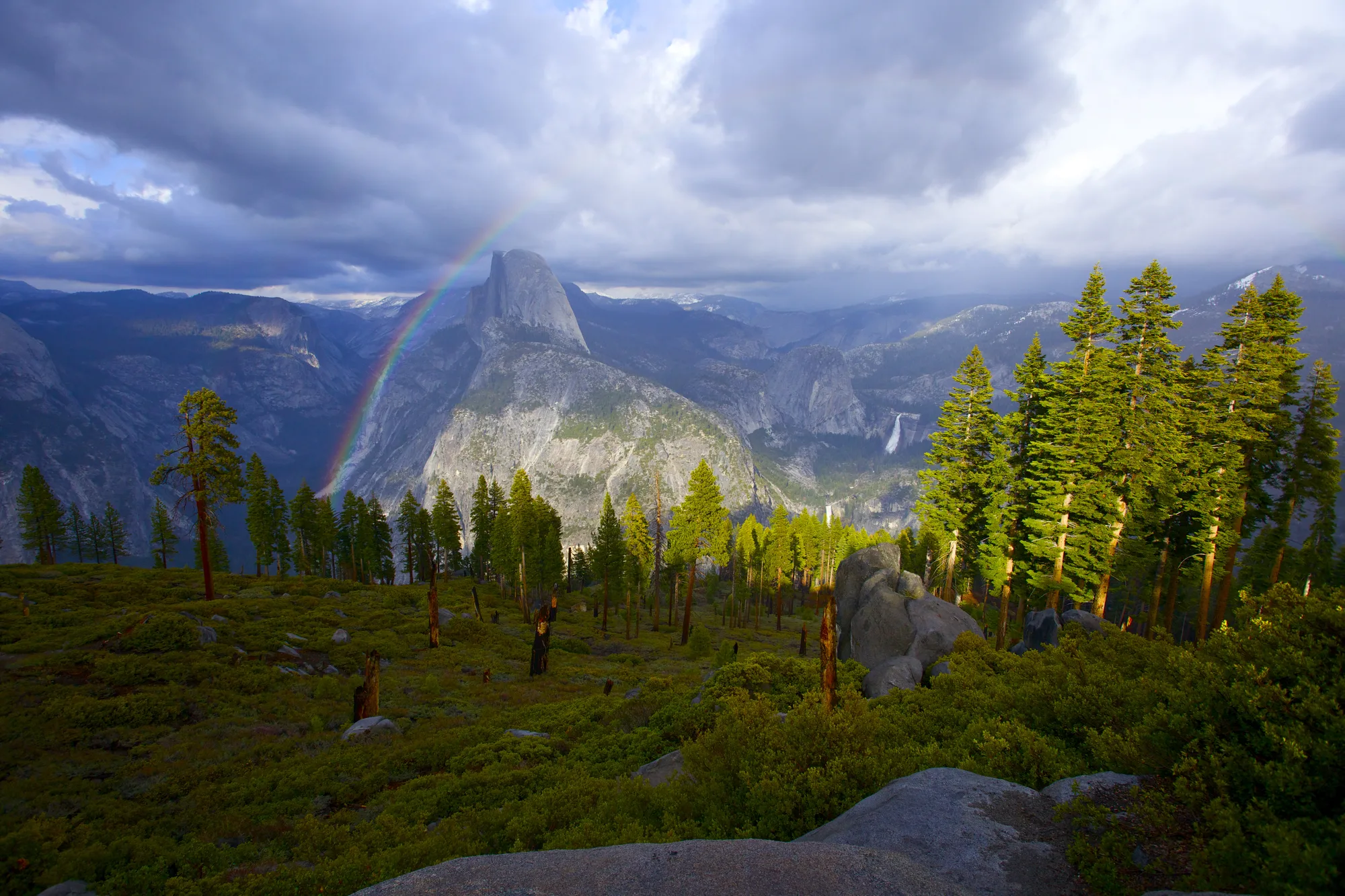
Half Dome's own cable route is Yosemite's version of Angels Landing: a permit system, a steep final pitch up the dome's back side with two steel cables to hold onto, and a season that closes the cables entirely once snow and ice make the rock too dangerous to trust. Apparently every marquee park needs one terrifying rite of passage now. Redwood protects the tallest trees on the planet without a single mountain in sight, showing off in its own quiet way. Pinnacles, the newest and smallest of the nine, is a volcanic remnant that split apart and drifted 195 miles north along the San Andreas Fault, half of it still hanging around near Bakersfield like it's waiting for the other half to catch up. Nine parks is a real project, not a weekend, which is exactly why finishing it earns its own badge instead of getting lumped in with everything else.
Alaska Eight
Denali, Wrangell-St. Elias, Kenai Fjords, Glacier Bay, Gates of the Arctic, Katmai, Kobuk Valley, Lake Clark. The wildest circuit on this list, and the one you'll brag about for the rest of your life.
Denali holds the continent's high point at 20,310 feet, the figure the National Park Service uses after its own summit survey. Two of the eight, Gates of the Arctic and Kobuk Valley, don't bother with roads or maintained trails inside their boundaries at all, which is either the most honest thing a national park has ever done or a genuine inconvenience, depending on how you feel about walking twelve miles to see a mountain. Getting in means a bush plane, a boat, or your own two feet and a topo map, which is also why "Arctic Passage," the app's badge for this circuit, only asks for one completed visitor experience inside the Arctic parks rather than a fixed itinerary. There isn't a fixed itinerary to have, and anyone who tells you otherwise has never actually tried to plan one.
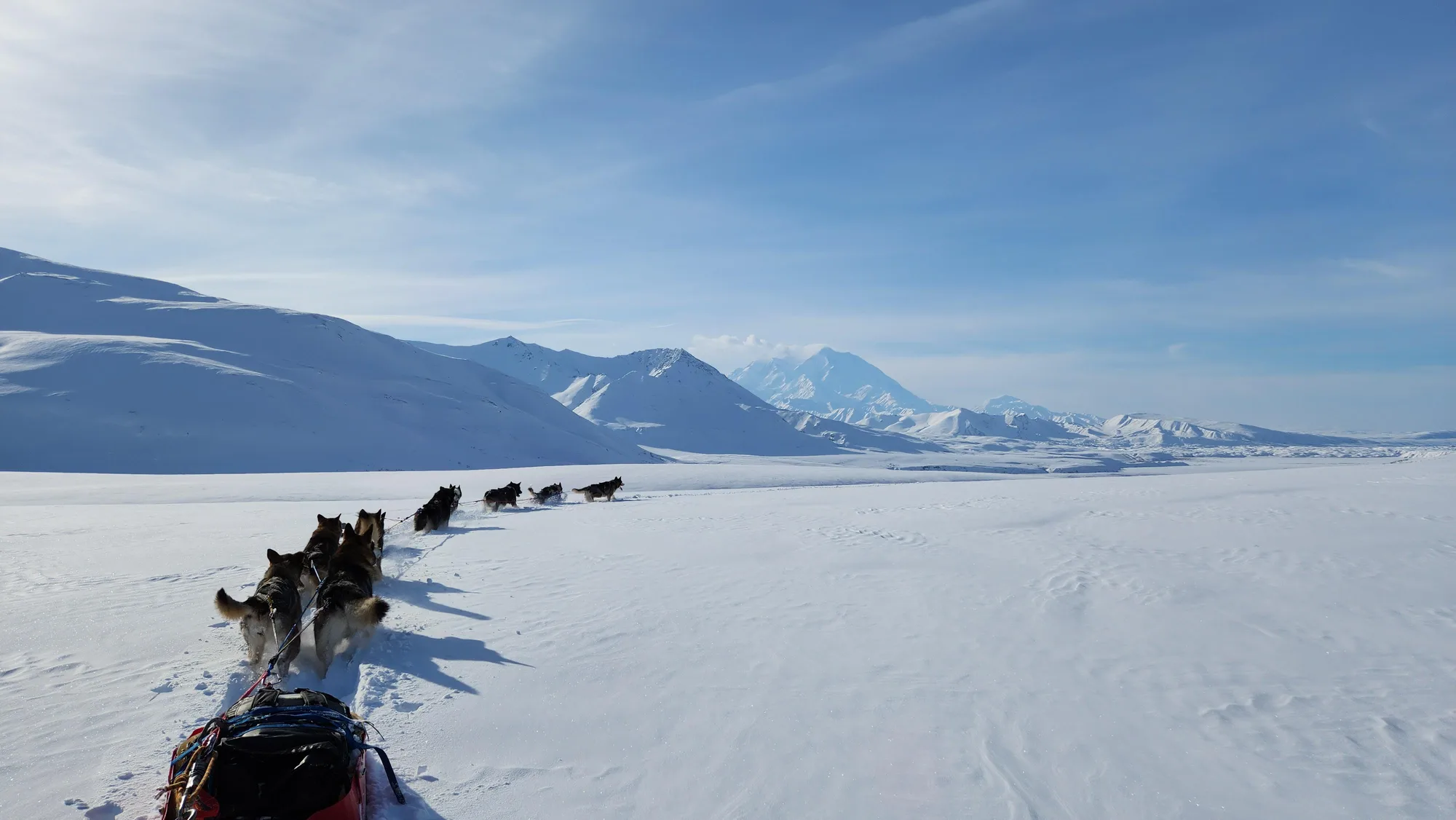
Wrangell-St. Elias is the largest single national park in the country, bigger than the entire country of Switzerland, and still gets fewer visitors most years than Zion gets in a single busy week. That's not a knock on either park. It's just what happens when a circuit spans a state that's remarkably good at keeping a secret, and it's exactly why this badge feels different sitting in your passport than any of the other six.
Track the Parks You've Actually Visited
A free account keeps a real passport of every park you've stood in, plus every circuit badge you're chasing right now, so you can stop trying to remember which summer you did which park.
Create a Free AccountColorado Four
Rocky Mountain, Mesa Verde, Great Sand Dunes, Black Canyon of the Gunnison. Four parks close enough together to chase in a single long weekend, and every one of them is a life outside the ski towns.
Great Sand Dunes holds the tallest dunes in North America by the park's own account, Star Dune rising roughly 750 feet from base to crest, tall enough that the round trip up and back eats a couple of hours through sand that swallows every step. Wear shoes you're willing to never fully get the sand out of again. Mesa Verde runs the opposite direction entirely: instead of a summit, it protects cliff dwellings built into canyon alcoves by Ancestral Puebloan communities roughly 700 to 800 years ago, some still holding the soot from cooking fires on their ceilings, which is the kind of detail that makes a ranger talk stop being background noise.
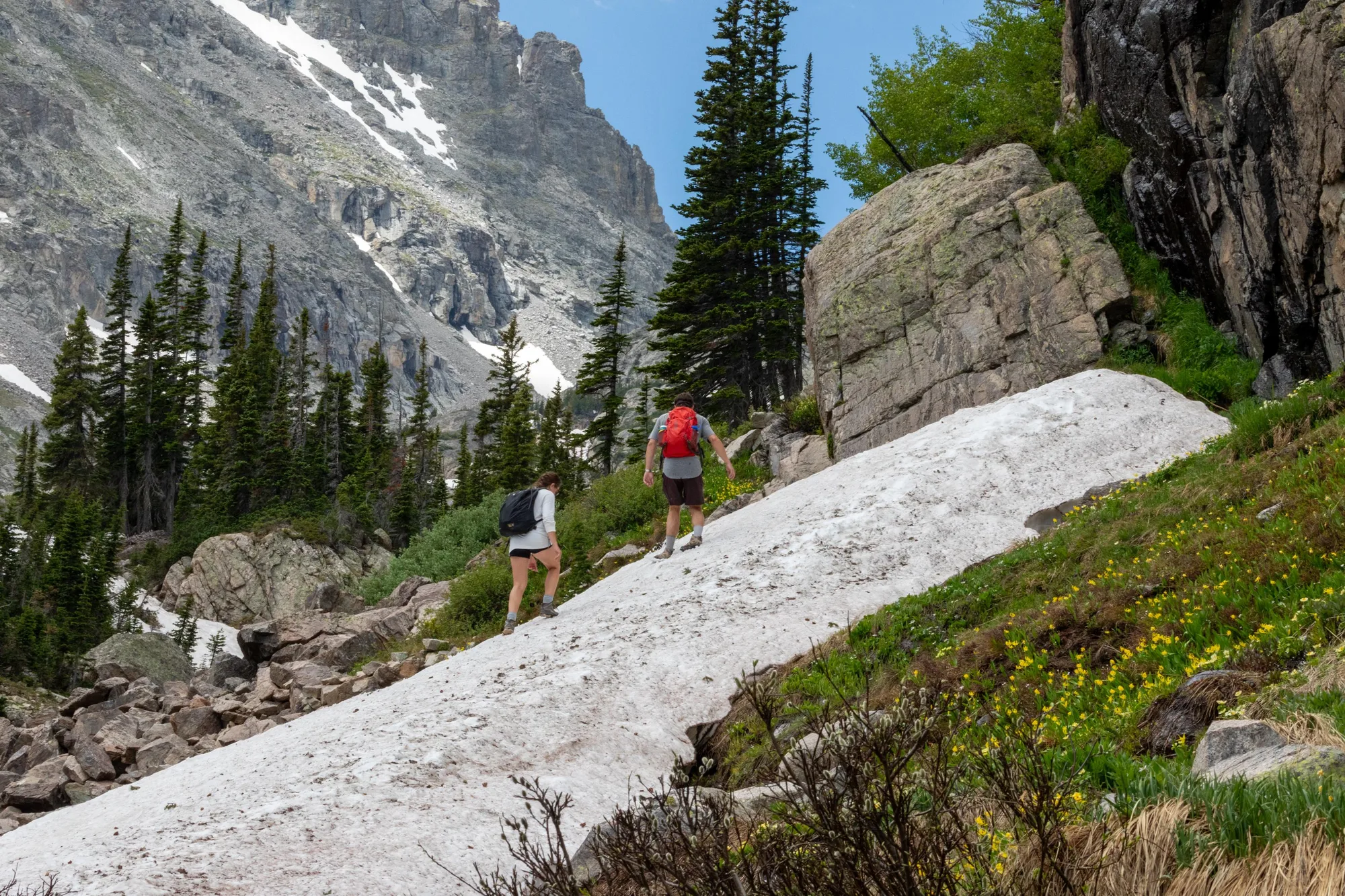
Rocky Mountain has its own named summit in the app's badge case, Hallett Peak at 12,713 feet, reachable without technical climbing gear if the weather actually cooperates, which in Colorado is never a guarantee. Black Canyon of the Gunnison is the one most people haven't heard of and the one photographs undersell the most: a gorge so narrow and steep that some points get as little as 33 minutes of direct sunlight a day, less than plenty of office cubicles. Four parks, one long weekend, and a badge that rewards you for actually knowing the state past its lift tickets.
Washington Three
Mount Rainier, Olympic, North Cascades. Three parks, three completely different ways to end up soaking wet.
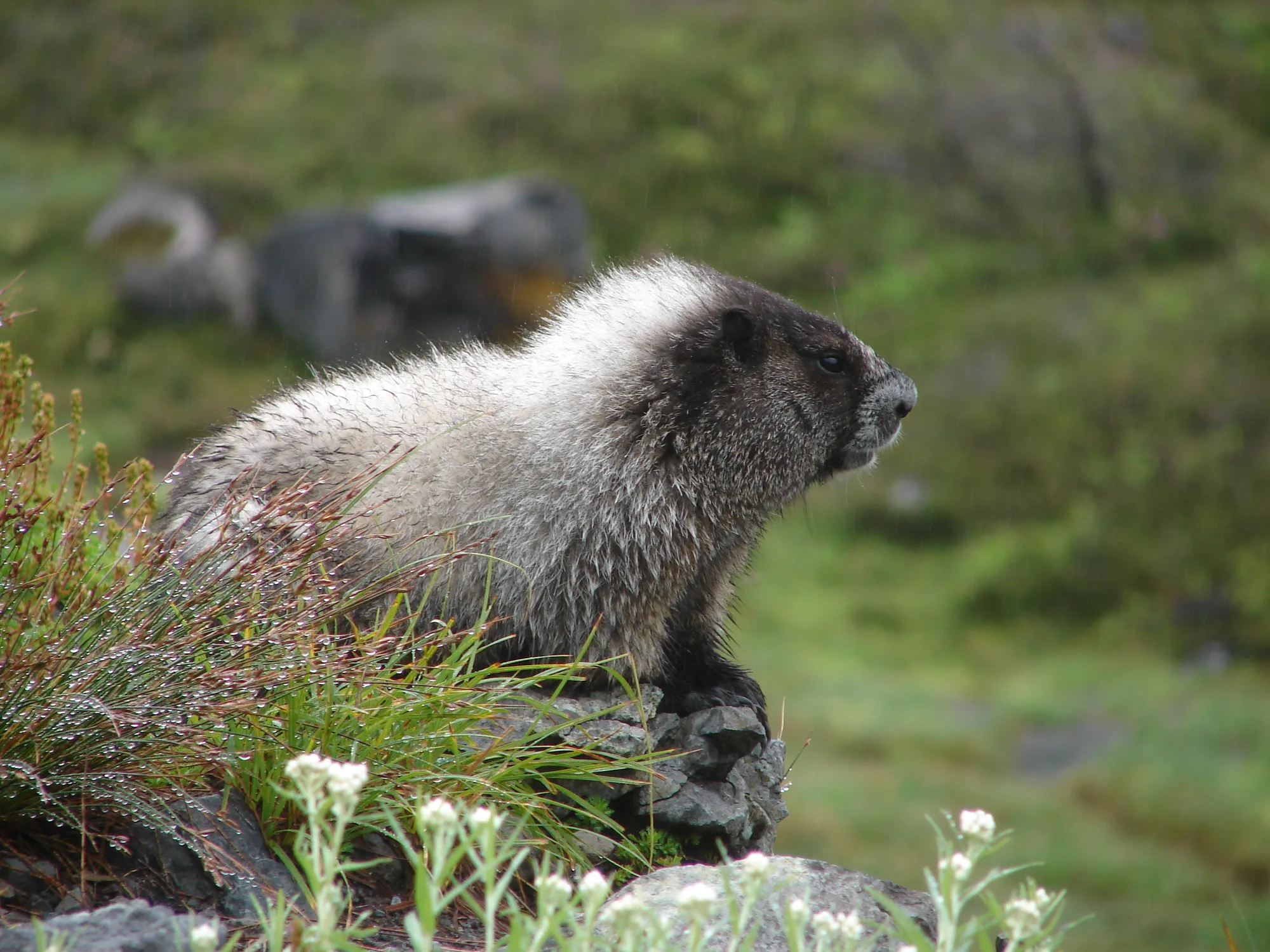
Mount Rainier is an active volcano wearing more glacial ice than any other single peak in the lower 48, which is either majestic or deeply concerning depending which geologist you happen to be standing next to. Olympic manages something almost no other park does: temperate rainforest, glaciated peaks, and 70 miles of wild Pacific coastline, all inside one boundary, none of them more than a few hours' drive from the others. Pack layers. Pack them anyway even if the forecast looks fine, because it will not stay fine.
North Cascades gets the fewest visitors of the three by a wide margin, mostly because it offers the least of what a first-time visitor actually wants: few roads, few facilities, mostly trail and rock and the distinct feeling that the park doesn't care whether you showed up. It's also, by most measures, the most rugged of the three, which is precisely the trade some people are driving up from Seattle to make on purpose. That's the kind of park that makes finishing a Washington Three badge feel like it was actually earned instead of just collected.
Arizona Three
Grand Canyon, Petrified Forest, Saguaro. The park everyone's already heard of, and two that deserve better than being an afterthought.
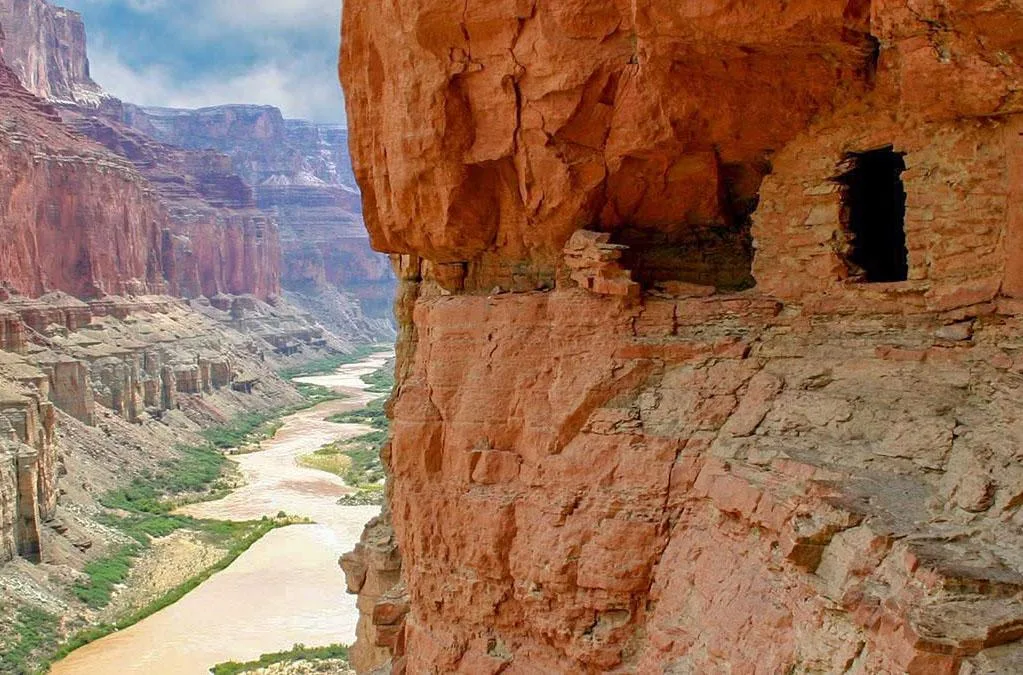
Grand Canyon needs no introduction, obviously, which is exactly the problem: Arizona's other two parks spend their whole existence in its shadow, and that undersells both of them badly. Petrified Forest protects logs that fell roughly 200 million years ago in the Late Triassic and turned to solid quartz crystal over time instead of politely rotting like normal wood, colored the way they are by trace minerals that seeped in along the way.
Saguaro exists to protect a single cactus species that, despite showing up in nearly every cartoon desert ever drawn, only grows wild in a narrow stretch of the Sonoran Desert straddling Arizona and Mexico. A saguaro takes 75 years before it grows its first arm, so if you're an impatient person, this is simply not going to be your park. Most of the ones tall enough to be worth a photograph are older than the park itself, which is a genuinely strange thing to stand next to once you let yourself actually think about it.
Florida Three
Everglades, Biscayne, Dry Tortugas. Pack a boat, or at least befriend someone who owns one.
Biscayne is 95 percent water by the park's own description, which makes "hiking" close to the wrong word for most of it, no matter how good your boots are. Boating, paddling, and snorkeling do the work a trail would do anywhere else. Dry Tortugas takes that a step further: reachable only by boat or seaplane, seventy miles past Key West, built around a nineteenth-century fort that never finished the war it was built for, which is basically the world's most elaborate unused treadmill.
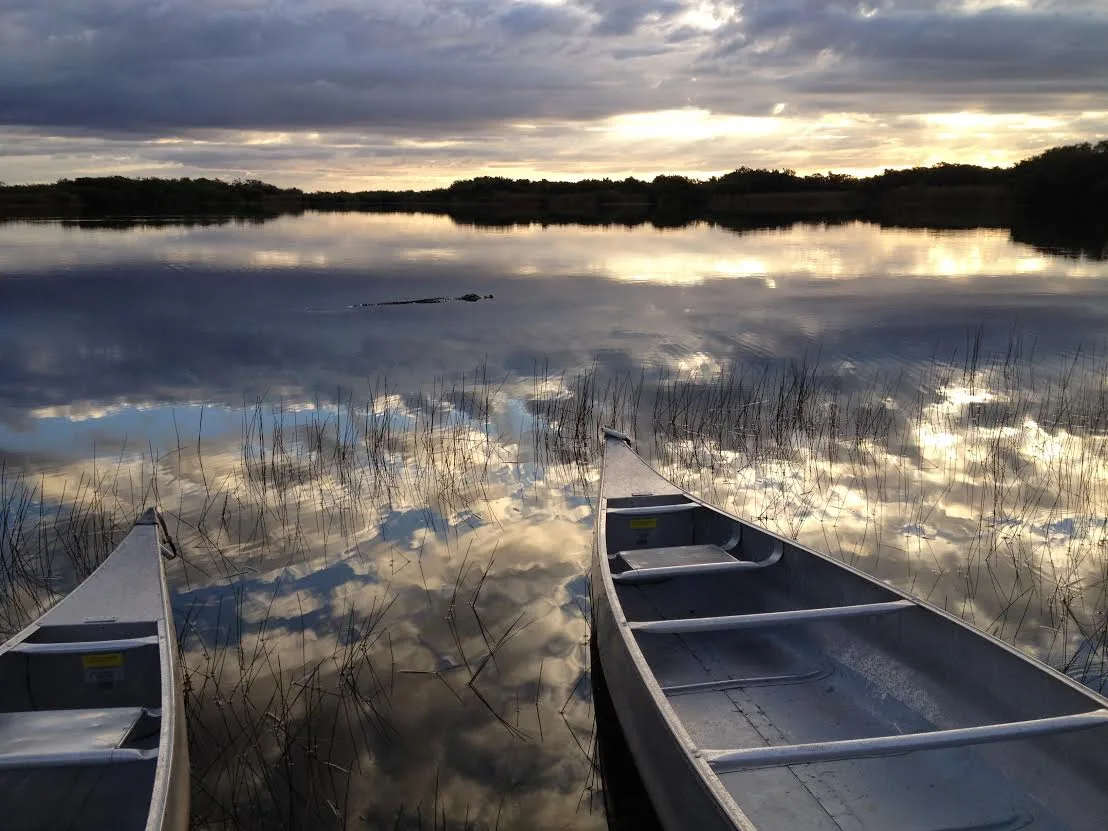
Everglades ties the two together and is the one most people get wrong before they arrive, expecting swamp and finding a slow-moving river of grass instead, fifty miles wide and only a few inches deep in most places, moving so gradually that "river" barely feels like the right word either. Three parks that don't look like anything else on this whole list, which is sort of the entire point of chasing all seven circuits instead of stopping at one.
How Tracking Works
All seven circuits above live in the app's passport as campaign badges, sitting next to 30 more that have nothing to do with state lines at all: a family camping in five different parks, a permit earned and actually used, three generations sharing one trip, a season documented four times over in the same park. Thirty-seven real goals, picked out on purpose, separate from the plain stamp you earn just by showing up to a park at all. None of them matter to anyone but you, which is sort of the whole appeal.
You mark one done by tapping "I did this," or attaching a photo if you want proof for yourself later. There's no verification step, no receipt required, nobody cross-referencing your Instagram. We're not the badge police. It runs on the same honesty this whole passport has always run on: if you say you did it, it's yours. The point was never to prove anything to us. It's to end up with a real, growing record of a country you're actually getting out and seeing, one badge, one park, one slightly sore pair of feet at a time.
Drive back past that same billboard on I-70 now and the hexagon icons stop looking like an ad and start looking like a dare. Utah wasn't wrong about the math, it just got there first, ahead of the other twenty-two national park states that haven't bothered naming their own circuit yet. Six of them are still sitting there completely unbranded, no ad budget, same math, the exact same kind of trip just waiting for somebody to actually drive it on purpose instead of waiting for a billboard to tell them to.
That somebody can be you, this year, one circuit at a time, with a passport in the app already sitting there waiting to hold the proof. Utah's tourism board isn't going to do this for the rest of the country. Somebody has to.
The Mighty 5 campaign's launch year, budget, and market list checked against KSL.com's original 2013 reporting on the Utah Office of Tourism campaign. Denali's 20,310-foot elevation, Great Sand Dunes' tallest-dunes claim and Star Dune's height, Biscayne's 95% water figure, Death Valley's acreage and lower-48 ranking, Arches' arch count, and the Angels Landing and Half Dome permit requirements were all checked directly against current NPS.gov park pages. Petrified Forest's fossil age and Saguaro's native range reflect standard, widely published figures for each park.