
In late 2020, a survey team working the waters near Taʻu Island measured a single coral colony at 22.4 meters across, roughly the length of two school buses parked end to end, and estimated its age at somewhere between 420 and 652 years. It had likely been alive before any American ever set foot on these islands.
A House-Sized Animal, Hiding in Plain Sight
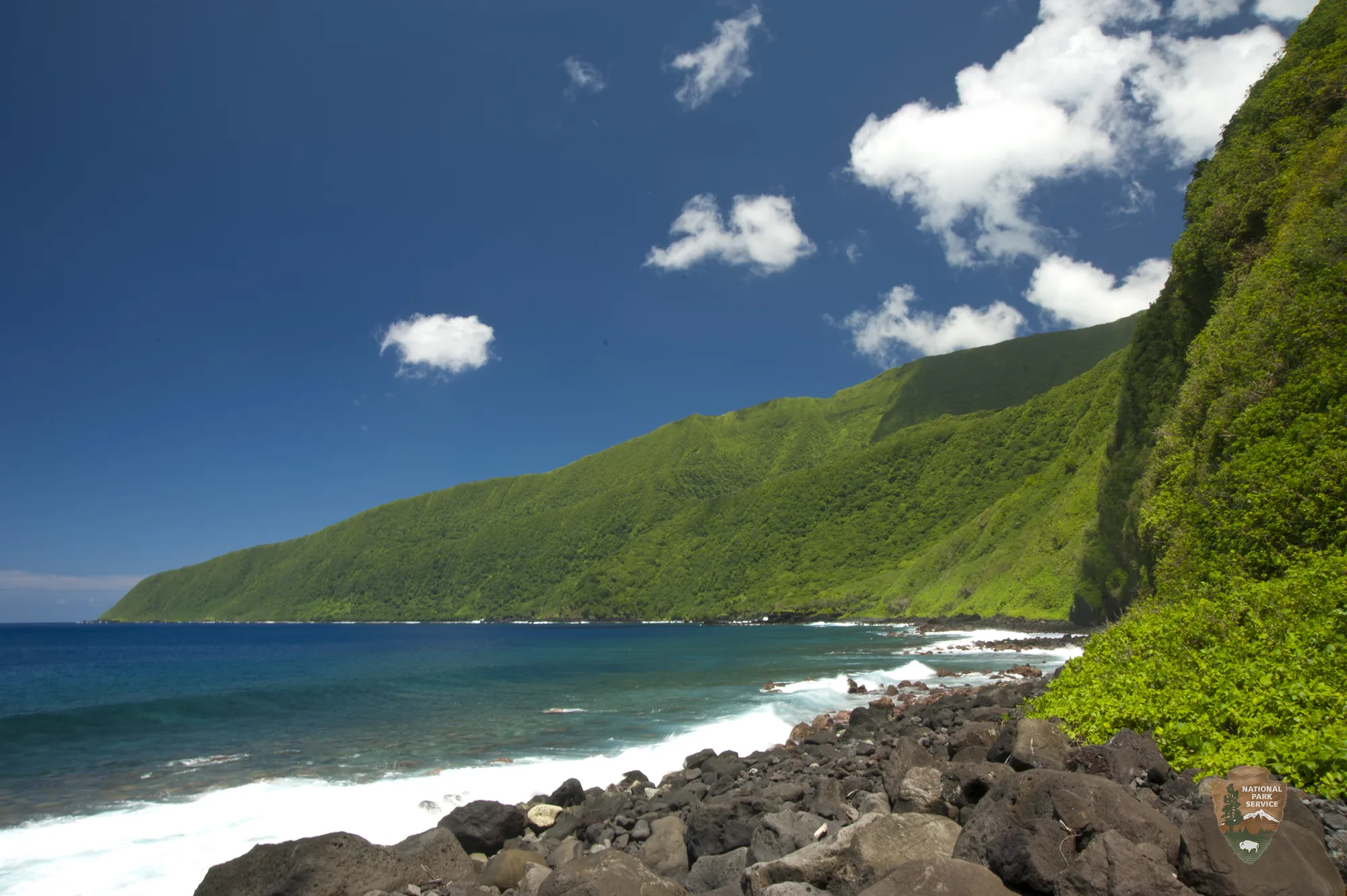
The colony is a Porites coral, a species that grows in slow, dense, boulder-like mounds rather than delicate branches. This particular one stands about eight meters tall and measures 69 meters around its base, large enough that a research team documenting it initially had trouble photographing the whole structure in a single frame. The findings, published in Nature Scientific Reports, described it as one of the world's largest known corals and larger than any previously documented in American Samoa.
It wasn't an isolated find. The same survey, run by the American Samoa Coral Reef Advisory Group as part of an ongoing cataloging project, turned up 84 additional Porites colonies exceeding 10 meters in diameter and 393 more measuring between 6 and 10 meters. A reef capable of growing one giant, it turns out, is usually capable of growing dozens.
- Diameter 22.4 METERS ACROSS
- Height ~8 METERS TALL
- Base circumference 69 METERS
- Estimated age 420 TO 652 YEARS
Plan a Snorkeling Trip to Ofu
The clearest water in the park sits beside one of its hardest units to reach.
Open the Trip PlannerGetting to the Reef Takes Real Planning
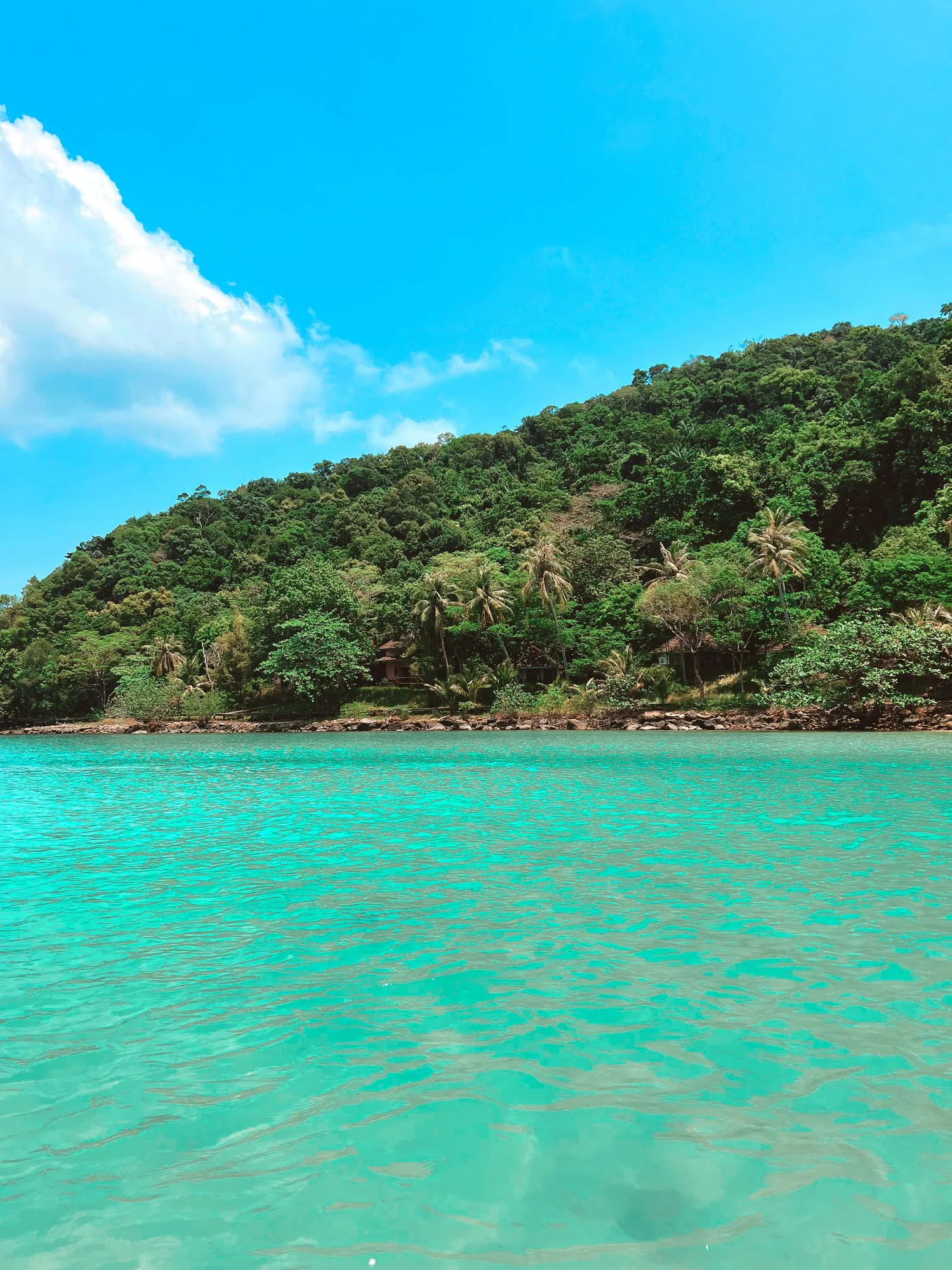
Ofu sits in the Manuʻa Islands, about 68 miles east of Tutuila, the main island where most visitors land. Samoa Airways is the only carrier flying that route, and it flies only on Tuesdays and Thursdays. Getting between Ofu and neighboring Taʻu often means arranging a ride with a local fisherman rather than booking a ticket. The National Park Service is direct about what that means once you're there: medical care is essentially unavailable, and an emergency response can take days.
What's waiting on the other side of that trip is water the park describes as particularly famous for snorkeling, with 900 to 950 species of fish and somewhere between 230 and 250 species of coral, depending on which official count you check, all in water clear enough to see most of it without diving gear. It's the kind of reef that would draw crowds anywhere with an airport running more than twice a week. Here, the difficulty of arriving is most of what keeps it that way.
- Distance from Tutuila ~68 MILES (110 KM)
- Flights SAMOA AIRWAYS, TUESDAYS & THURSDAYS ONLY
- Fish species 900–950
- Coral species 230–250
Coral colony dimensions, age estimate, and survey details checked against the National Park Service's official article on the discovery, drawing on findings published in Nature Scientific Reports by the American Samoa Coral Reef Advisory Group. Ofu access logistics, flight schedule, and reef species counts checked against NPS's official visiting-Ofu-and-Taʻu and water recreation pages; fish and coral counts are given as a range where the two official pages differ slightly.
Two school buses end to end, growing slower than almost anything else alive, quietly outlasting whichever century you'd care to name since sometime in the 1370s at the earliest. It never moved, never had to. The ocean simply kept building around it, one thin layer at a time, until a survey boat finally noticed and had to back up to get the whole thing in frame.