Every other national park in the country sits on land the federal government owns outright. American Samoa's doesn't. The volcanic ridges, the rainforest, the reef, all of it belongs to Samoan villages and families, the same way it has for roughly three thousand years, and the National Park Service is, legally speaking, a tenant.
The Land Congress Couldn't Buy
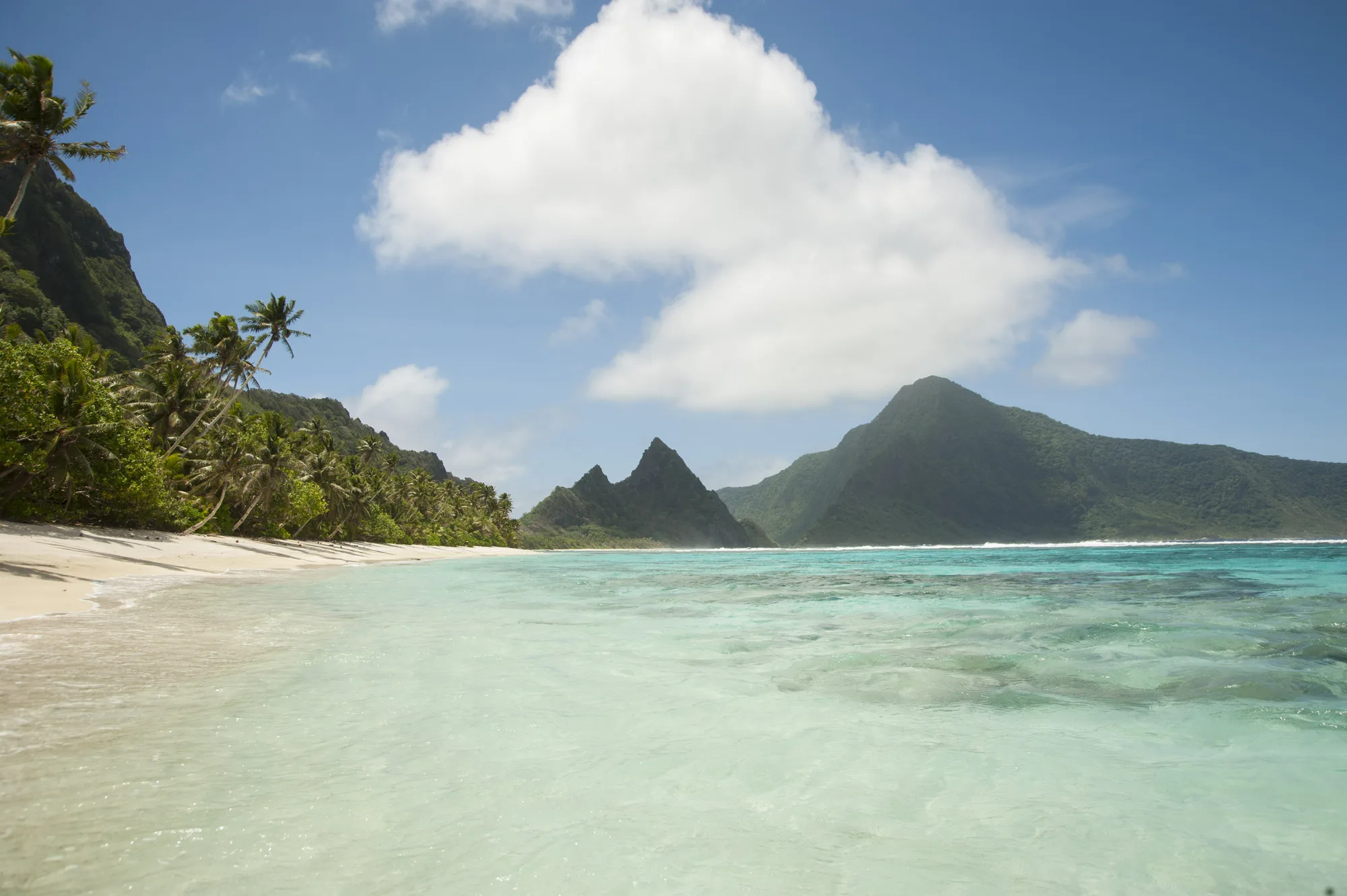
Congress authorized the National Park of American Samoa on October 31, 1988, under Public Law 100-571. Every earlier national park in the system had been built on the same basic move: the federal government buys or claims the land, then protects it. That move didn't work here.
Samoan land is held communally, under the customary authority of village chiefs, or matai, a system that predates the park by roughly three thousand years and has no real equivalent in U.S. property law. There was no owner to sell to the government, only families and villages holding land the way they always had, and no interest in giving that up.
So the Park Service did something it had never done before. It negotiated a lease.
- Authorized OCTOBER 31, 1988, PUBLIC LAW 100-571
- Land system COMMUNAL, UNDER MATAI (VILLAGE CHIEF) AUTHORITY
- Culture's age ROUGHLY 3,000 YEARS, POLYNESIA'S OLDEST
- Years to finalize park 5, FROM AUTHORIZATION TO LEASE
Plan a Trip to American Samoa
The most remote unit in the National Park System takes real planning. Start here.
Open the Trip PlannerFifty Years, Renewable Once
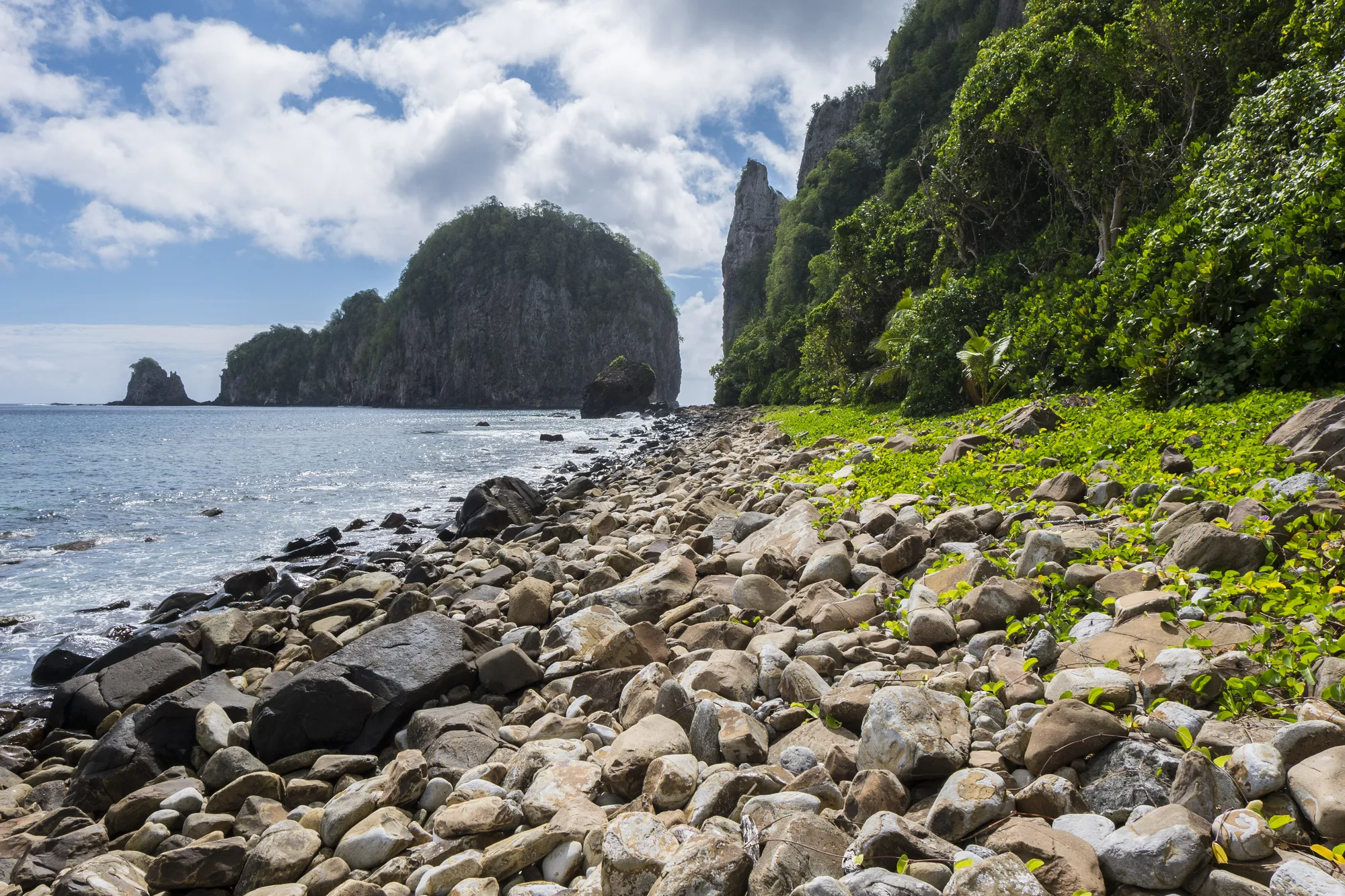
On September 9, 1993, the National Park Service signed a fifty-year lease with the Samoan village councils holding the land, eight villages in all, with an option to negotiate a second fifty-year term if the villages agree when the first one runs out. The lease covers roughly 8,003 acres across three islands: about 2,533 on Tutuila, 5,397 on Taʻu, and 73 on Ofu. In 2002, Congress approved expanding the park onto Olosega Island, adding two more villages to the arrangement.
The rent isn't symbolic. The lease capped annual payments at $377,000 for the first five years, with the amount reappraised every five years after that. The money goes into a trust account, and the territory's Governor distributes it to the landowning villages and families under determinations made by the High Court of American Samoa. Interest earned on the account covers the administrative cost of running the whole arrangement, appraisals, legal fees, the paperwork of paying dozens of families for land the park protects but will never own.
- Signed SEPTEMBER 9, 1993
- Villages, originally 8, PLUS 2 MORE ADDED WITH OLOSEGA IN 2002
- Total acreage ~8,003 ACRES ACROSS TUTUILA, TAʻU & OFU
- Annual rent cap, first 5 years $377,000, REAPPRAISED EVERY 5 YEARS AFTER
Authorization date, matai land system, and cultural context checked against the National Park Service's official history and culture pages for American Samoa. Lease terms, signing date, village count, acreage, and rent figures checked against the National Park Service's own published lease summary document.
The government still doesn't own a single acre of this park, and won't, not in 2043 when the current lease runs out, not even if the villages agree to a second fifty years after that. What it owns is a standing arrangement to protect land it was never going to be sold, negotiated instead of imposed, paid for instead of claimed, the newest national park built on the oldest kind of ownership in the country.