
In 1513, the Spanish explorer Juan Ponce de León sailed past a scatter of small islands off the Florida coast, no fresh water in sight, but turtles everywhere along the sand. He called them Las Tortugas. Five hundred years later, the name's first half is still doing exactly the job he gave it.
A Name That's Half Water Report
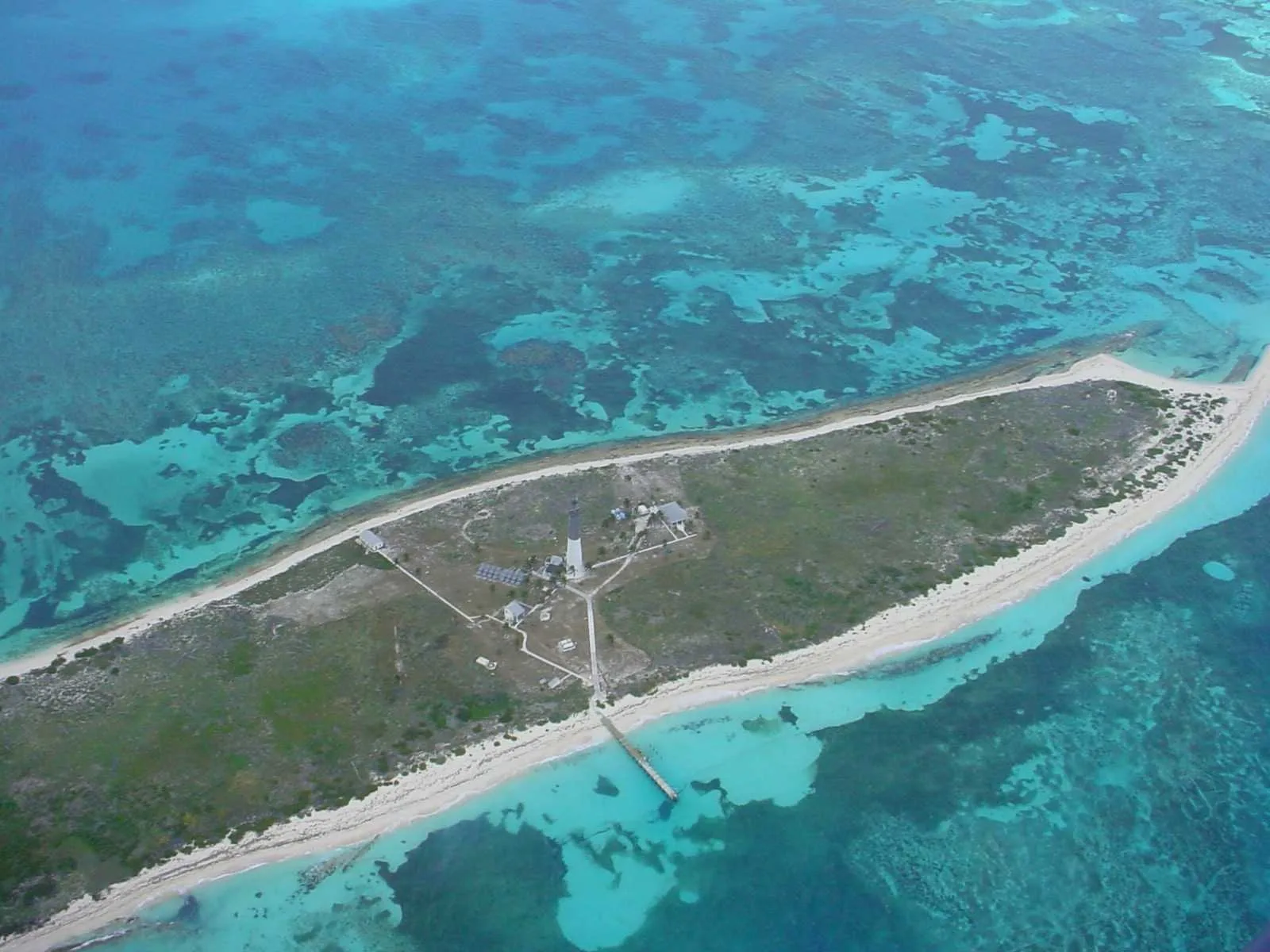
In 1513, Juan Ponce de León sailed past this small scatter of islands and named them Las Tortugas, Spanish for "the turtles," for the sheer number of sea turtles he found nesting on their beaches. The name stuck for the animals. A second word got added later, by sailors and chartmakers who needed a practical warning built right into the name itself: these islands have no fresh water at all, so "Dry" went in front of "Tortugas" on nautical charts, to keep anyone from arriving expecting to find a spring or a well.
Five species of sea turtle still use the waters around the park: loggerhead, green, leatherback, Kemp's ridley, and hawksbill. Every one of them is now listed as threatened or endangered.
Dry Tortugas remains the most active sea turtle nesting site in the entire Florida Keys, five hundred years after it got a name built around exactly that fact.
- Named 1513, BY JUAN PONCE DE LEÓN
- Meaning "LAS TORTUGAS" · SPANISH FOR "THE TURTLES"
- "Dry" added later NO FRESH WATER ON THE ISLANDS
- Turtle species present 5 (ALL THREATENED OR ENDANGERED)
Plan a Snorkel Around the Moat Wall
Fort Jefferson's moat wall is one of the most reliable places in the park to see sea turtles from the water.
Open the Trip PlannerWhat It Takes to Be a Hatchling Here
The National Park Service has monitored sea turtle nesting across five of the park's islands since 1980. A nest takes roughly 60 days to incubate, and the temperature of the sand around the eggs during that time actually determines the hatchlings' sex, warmer sand producing more females, cooler sand more males. When they finally dig out and make the run to open water, they face ghost crabs, fire ants, rats, birds, and sharks waiting along the way, on top of newer, human-made threats: illegal harvesting, fishing gear, boat strikes, plastic, coastal development, and artificial light that can send a hatchling crawling the wrong direction entirely.
Out of every 1,000 to 10,000 hatchlings that make it to the water, only one is expected to survive to adulthood.
- Monitoring since 1980, ACROSS 5 ISLANDS
- Incubation ~60 DAYS · SAND TEMP DETERMINES SEX
- Survival to adulthood ~1 IN 1,000-10,000 HATCHLINGS
- Status ALL 5 SPECIES THREATENED OR ENDANGERED
The 1513 naming history and the "Dry" addition checked against the National Park Service's official Dry Tortugas overview page. Turtle species, nesting monitoring, incubation, hatchling sex determination, threats, and survival rates checked against NPS's official Sea Turtles page for Dry Tortugas National Park.
Ponce de León never could have known the actual odds a hatchling faces, or that five centuries later people would still be counting nests on the same beaches he sailed past. He just saw a shoreline full of turtles and named the place for what was obviously, abundantly, unmistakably there. A fort got built here, then a prison, then a national park. The turtles never needed any of that to keep coming back to the same sand, doing the one thing this place has always been named for.