
Cavers with the Cave Research Foundation have walked, crawled, and surveyed more than 420 miles of passage inside Mammoth Cave, and the National Park Service's own materials can't quite agree on the exact figure past that point, 426 miles by one official count, 412 by another page, "over 400" on the park's own homepage. Whatever the precise number, the gap to second place isn't close. The next-longest cave system on Earth, a flooded network in Mexico's Yucatán, tops out around 337 miles. Mammoth Cave beats it by roughly ninety.
That kind of margin isn't an accident of exploration effort alone. It's mostly a rock formation sitting directly above the cave, one that every other karst cave system nearby doesn't have intact.
The Field Isn't Actually Close
The National Park Service's most specific, dated figure for Mammoth Cave comes from a September 2022 news release: 426 miles surveyed, six miles added since the previous update in September 2021. Behind it, the world's next-longest known systems are Sistema Ox Bel Ha in Mexico's Yucatán Peninsula at roughly 337 miles, followed by China's Shuanghedong Cave Network at around 274 miles. Most of the caves closest to Mammoth Cave's length are flooded systems mapped by cave divers, a genuinely different kind of exploration than walking dry passage with a survey tape, which makes the comparison a little uneven in Mammoth Cave's favor and a little more impressive at the same time.
A Cap of Rock That Doesn't Dissolve
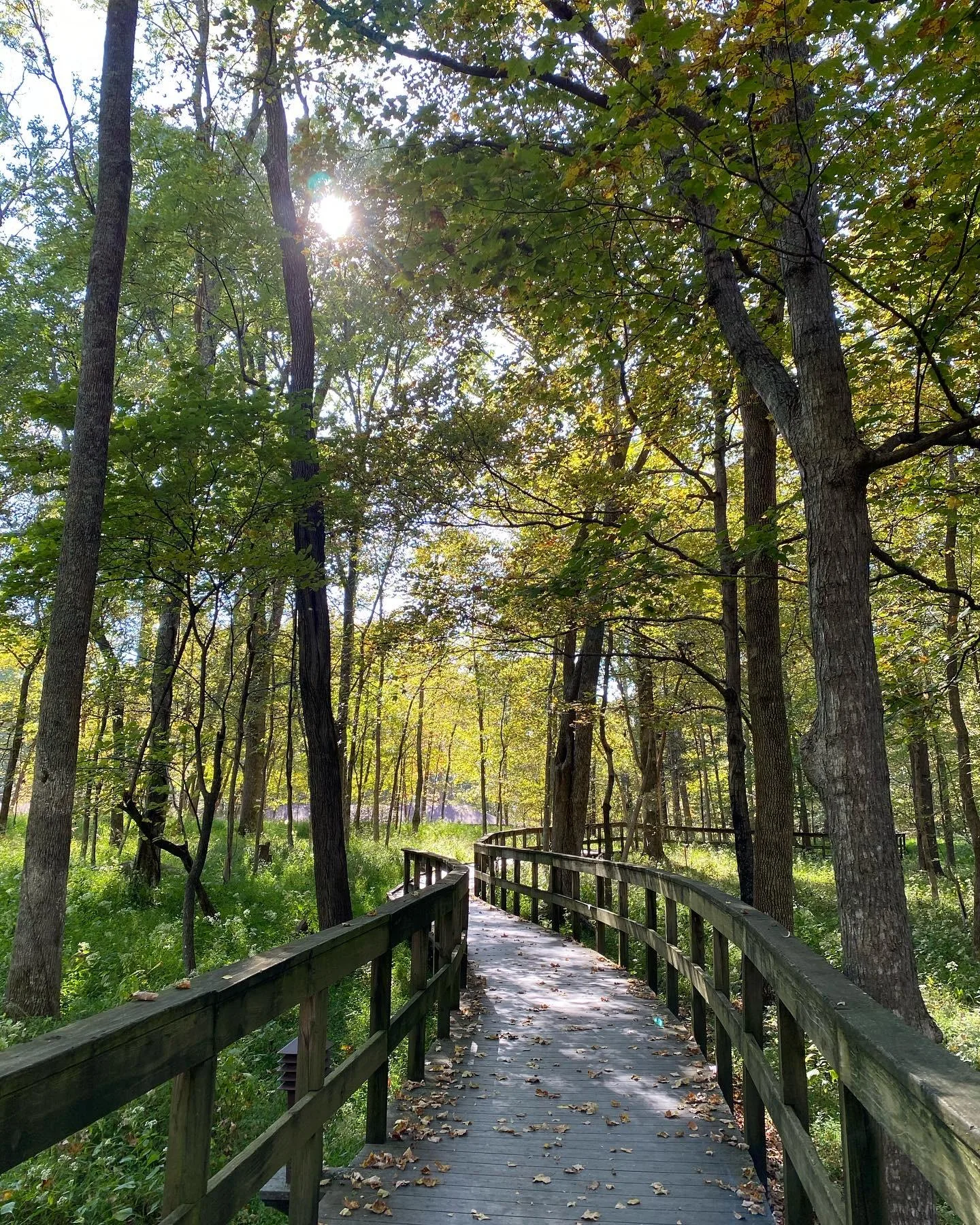
The cave itself formed the way most limestone caves do: rainwater picks up carbon dioxide from the soil on its way down, turns slightly acidic, and slowly dissolves the limestone it passes through, widening cracks into passages over what the U.S. Geological Survey estimates has been roughly ten million years of steady work in the relevant layer alone. Mammoth Cave sits in three different limestone formations from that process, laid down as marine sediment more than three hundred million years ago when a shallow sea covered this part of Kentucky.
What makes Mammoth Cave different from the karst landscape all around it, including the collapsed sinkholes and cave-ins visible at places like Cedar Sink nearby, is what's sitting directly above that limestone: a layer of sandstone, siltstone, and shale called the Big Clifty Formation. Unlike limestone, that caprock resists the same acidic dissolution, so it holds up the ground above the cave instead of slowly collapsing into it. Most of the passages carved out below have stayed intact rather than caving in, which is most of the reason there's still this much cave left to survey at all.
Plan Your Mammoth Cave Visit
Cedar Sink, where you can see this same collapse process happening in real time, sits along the park's driving route. The trip planner can help you build a day around it.
Open the Trip PlannerSeptember 9, 1972
Through most of the twentieth century, the nearby Flint Ridge Cave System held its own separate record at 86.5 miles, longer at the time than Mammoth Cave's own mapped 57.9 miles. On September 9, 1972, explorers found the passage connecting the two systems into one, instantly producing a combined length of 144.4 miles and making Mammoth Cave the longest known cave on Earth in a single day, a record it has held ever since.
- Surveyed length 420+ MILES
- Next-longest system ~337 MI, MEXICO (FLOODED)
- Flint Ridge connection SEPT 9, 1972
- Primary surveyors CAVE RESEARCH FOUNDATION
Most of that survey work since has been done by volunteers with the Cave Research Foundation, which the National Park Service credits directly as the reason the record exists at all. As Rick Toomey, the park's cave resource management specialist, put it, the foundation is "fundamentally the reason Mammoth Cave is recognized as the world's longest cave." Six more miles were added in September 2022, spread across various sections of the system, and no further official total has been announced since.
The Honest Answer Is: Still Counting
The Park Service's own feature on the subject states outright that the exact length of Mammoth Cave remains unknown, and it doesn't offer a specific estimate for how much unmapped passage might still be waiting to be found. That's a genuinely honest position rather than a marketing gap: nobody has walked the whole thing, because nobody knows yet what the whole thing actually is. Every few years, another connection or another side passage turns up, surveyed a few careful feet at a time by the same kind of volunteer effort that found the Flint Ridge link in 1972, and the number on the sign at the visitor center creeps up again.
Mileage figures checked against the National Park Service's own news releases (September 2021 and September 2022) and its "Exploring the World's Longest Known Cave" feature article, which itself notes an inconsistency worth flagging: NPS's other pages give 412 miles or simply "over 400," while the most recent dated release states 426. This piece uses "more than 420 miles" to stay accurate to the most specific, most recently confirmed figure without overstating a precision NPS's own materials don't consistently support. Geology checked against the U.S. Geological Survey's Mammoth Cave geology page and National Parks Traveler's karst-geology coverage. World comparison figures drawn from published cave-length rankings and cross-checked where possible; cave lengths shift as new surveys are published, so treat any specific non-Mammoth-Cave figure as approximate.
Somewhere under the hills above the Green River, cavers are still finding passage nobody has ever walked, in a system that already beats its nearest rival by ninety miles and counting. The sandstone roof that made all of it possible isn't going anywhere, and neither, it seems, is the cave beneath it. The number on the sign will be out of date again before too long.