
The ledger books don't read like natural history. They read like inventory. Fur traders working the North Cascades region in the mid-1800s logged grizzly bear pelts the same way they logged beaver and marten, by the bale, by the season, by the post, and over roughly thirty years the tally came to about 3,200 hides.
Thirty Years, 3,200 Pelts
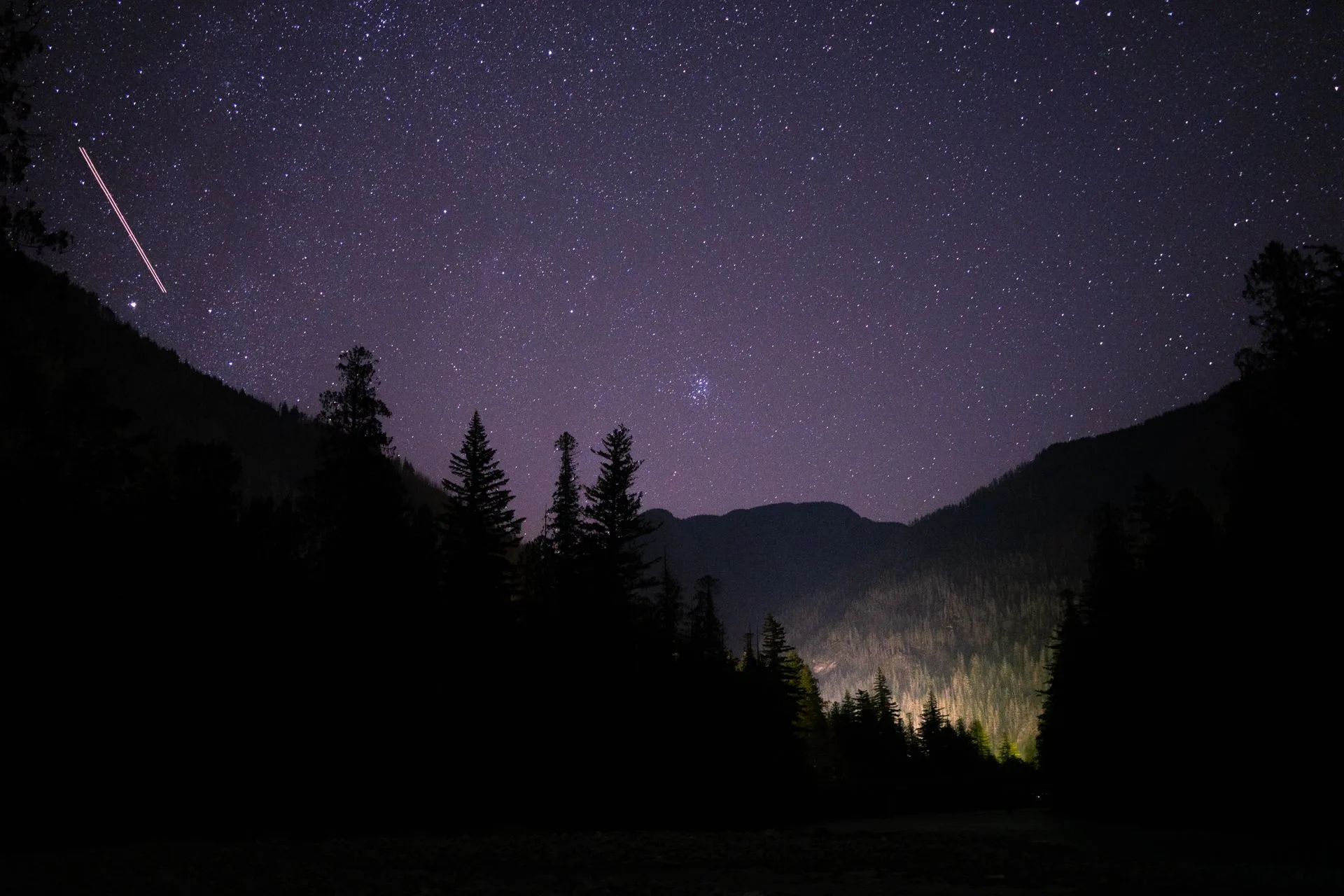
A landscape that could produce 3,200 pelts for trade wasn't a landscape with a few scattered bears passing through. It was grizzly habitat in the full sense, animals distributed across a range the National Park Service estimates at roughly 13,500 square miles, spanning the Cascades crest from around Snoqualmie Pass north into British Columbia. The fur trade didn't find grizzlies here. It found a population large enough to sustain three decades of hunting before it stopped being worth the trip.
Hunting continued outside the formal trapping economy long after the fur companies moved on. Habitat fragmented as roads, railroads, and settlements pushed into valleys grizzlies had used for generations. By the time anyone was tracking the population systematically rather than shipping its pelts to market, there wasn't much population left to track.
The North Cascades ecosystem is now considered functionally extirpated of grizzly bears, meaning any bears that remain are too few to sustain a breeding population on their own. The last confirmed sighting tied to this ecosystem came in 2015, near Eastgate, British Columbia, just across the international boundary. Nothing has been confirmed on the U.S. side since.
- Historical range ~13,500 SQ MI, U.S. & CANADA
- Pelts traded ~3,200 OVER ROUGHLY 30 YEARS, MID-1800S
- Status today FUNCTIONALLY EXTIRPATED
- Last confirmed sighting 2015, NEAR EASTGATE, B.C.
Plan a Wildlife-Focused Trip to North Cascades
Black bears, wolverines, and lynx still roam this ecosystem, even without its grizzlies.
Open the Trip PlannerWhat Bringing Them Back Would Actually Take
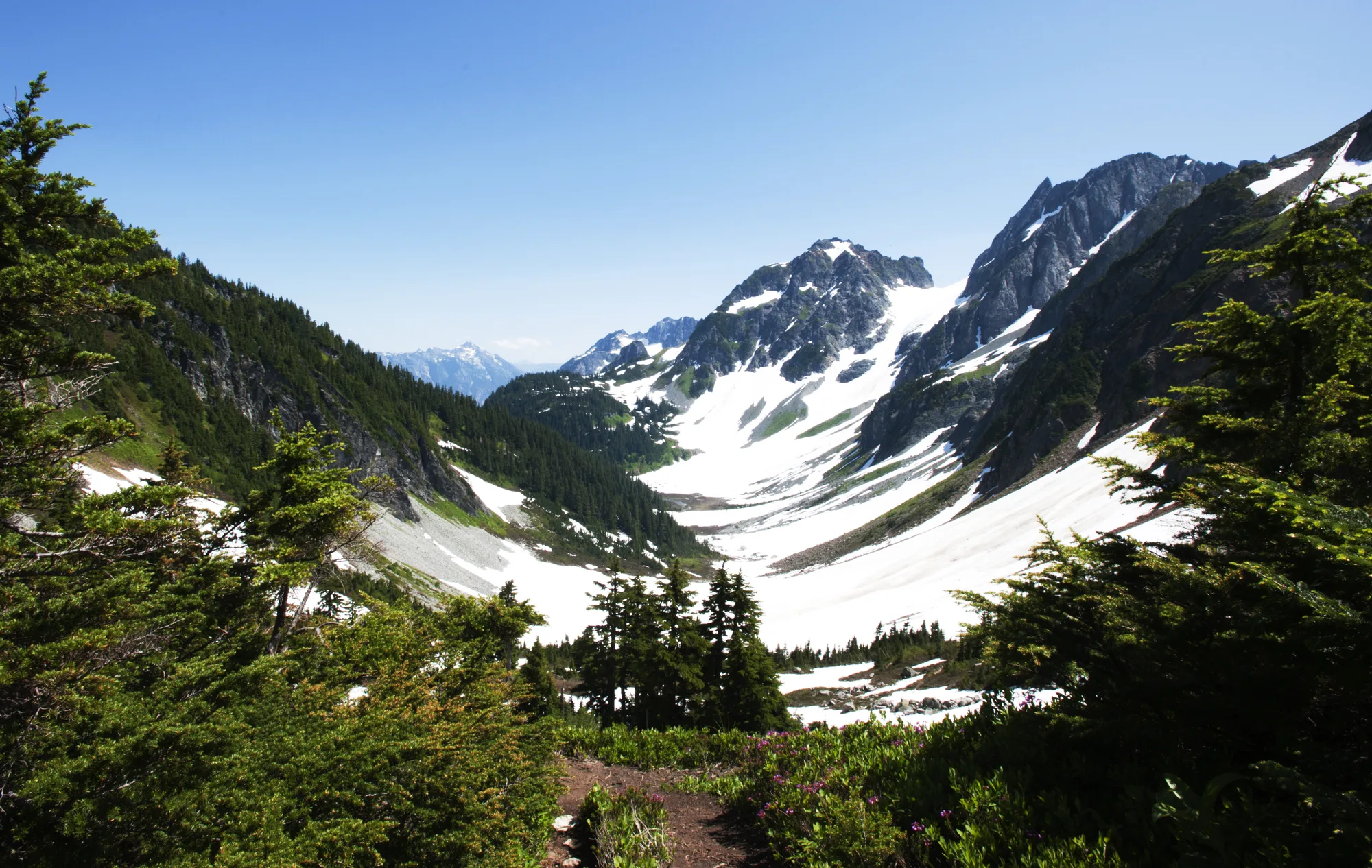
The National Park Service and U.S. Fish and Wildlife Service have worked through a formal environmental review examining whether, and how, to restore grizzlies to the North Cascades. The process weighs habitat suitability, food availability, and what a reintroduced population would need to become self-sustaining, not just present.
The modeling behind that process gives a sense of scale. Researchers estimate the ecosystem could eventually support a carrying capacity of around 139 female bears under current conditions. Run the same model forward under different climate warming scenarios, and that number climbs, projected to somewhere between 241 and 289 female bears by the end of the century, as shifting vegetation and food availability change what the landscape can support.
A reintroduced population wouldn't appear overnight. Restoration of this kind, where it's been attempted elsewhere, has typically meant relocating small numbers of bears over multiple years, then tracking them closely as the population grows on its own, if it takes. Whether the North Cascades effort proceeds, and on what timeline, remains a decision for the agencies running the review.
- Current carrying capacity ~139 FEMALE BEARS, ESTIMATED
- Projected by 2100 241–289 FEMALE BEARS UNDER WARMING SCENARIOS
- Led by NPS & U.S. FISH AND WILDLIFE SERVICE
- Process FORMAL ENVIRONMENTAL REVIEW, ONGOING
Historical range, pelt trade figures, and extirpation status checked against the National Park Service's official North Cascades grizzly bear restoration planning materials. Carrying-capacity modeling and warming-scenario projections checked against the joint NPS/U.S. Fish and Wildlife Service restoration research, including the "Modeling Reintroduction in a Time of Change" article. No grizzly-specific photograph exists in the current North Cascades image set; the images above show wilderness terrain within the historical range.
Back to that ledger for a moment. Three thousand two hundred pelts, tallied by people with no reason to think about what the number would mean a century and a half later, is now one of the clearest pieces of evidence for how much grizzly habitat these mountains actually held. The bears the traders shipped out never came back on their own. Whether they come back at all is now a question with a model attached to it, a range of numbers instead of an answer, and an ecosystem that's been waiting considerably longer than anyone studying it has been alive.